
The legendary club drive to Imber via unmade roads on Salisbury Plain

The facts
- Country
- United Kingdom
- Founded
- 1978
- Payment
- iDEAL
- Languages
- English
- Registration
- Company no. 03946346 · VAT 455270157
- Shipping information
- Shipping page
What they sell
Web shop on WooCommerce: 131 products, £6.31–£514.80
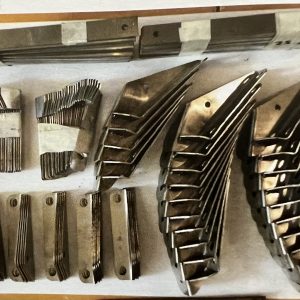 Ami 8 Stainless Steel rear small Bracket Set (exhaust hanger, wing straps etc.) Set of 6 brackets£61.80In stock
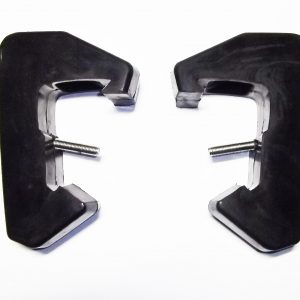 Ami 8 rear over-rider (Pair)£68.64In stock
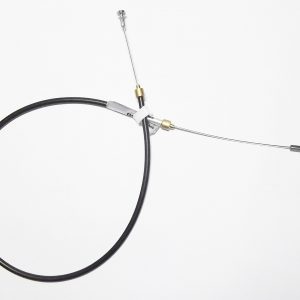 Dyane Bonnet Cable£51.12In stock
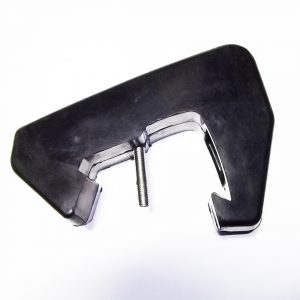 Ami 8 rear over-rider£45.84In stock
 Ami 8 Fuel Filler flange gasket 2mm Viton rubber£9.12In stock
 Dyane stainless steel headlight ball pegs (both headlights) & Dyane/Acadiane/Mehari plastic headlight adjustment sockets (both headlights)£49.68In stock
 Kit which includes the Cross-Box hanging studs, Heat Exchanger Repair Plates, Oil Breather mounting studs and Fuel Pump studs£34.08In stock
- Dyane stainless steel headlight ball pegs (pk. of 6) – Both Headlights£20.04In stock
 2CV Drip channel section on A post (Pair)£24.58In stock
 Dyane (all 4 doors) & Acadiane (front doors only) door trim clips (set of 4) – two sets of 4£18.48In stock
 Dyane/Acadiane stainless steel air vent bolts and washers (pk of 10)£32.52In stock
 Dyane inner sill repair (Pair)£42.72In stock
12 of 131 products, read 34 h ago
12 of 131 products, prices £6.31–£514.80, as published by the shop (read from the shop 34 h ago; the shop last changed its products 14 May 2026; last change seen here 6 days ago). Prices and stock change; the shop’s website has the current ones.
About
During the 1990s, when the 2CV was at the height of its popularity in the UK, 2CVGB membership soared to over 3,500. Now production has ceased and the vehicles have become fewer in number on the roads, membership has levelled off at around 2,200 members worldwide, showing there’s still a lot of affection for the ‘ugly duck’ and its cousins.
Frequently asked questions
What is a 2CV?
The 2CV is the French people’s car that was developed by Citroën. Produced between 1949 and 1990, it had one of the longest spanning productions ever. Despite some rather minor technical and visual changes over the decades, it remained true to its design brief and provided back-to-basics utilitarian transport for millions of people – and continues to do so! (Ok, maybe not quite in the millions anymore).
Is 2CVGB just for 2CVs?
Certainly not! The 2CV’s platform was used as the basis for an entire family of vehicles that become known as Citroën’s A-Series. These include the 2CV van, or fourgonnette, the Dyane, Ami, Mehari and Bijou. The 2CV was also used to underpin several kit cars and OKD-type kits over the years, many of which are still on the road. 2CVGB welcomes owners and enthusiasts of all these models, with each type of vehicle represented by a registrar within the Club.
Do I have to own an A-Series vehicle to join?
No – you don’t have to own one to be a member – a passing interest is enough! In fact if you’re in the market for a 2CV or one of its derivatives, we’d certainly advise joining the Club beforehand. You can speak to owners at events or on the forum to get the best advice, and perhaps even find your ideal car for sale.
I want a 2CV. What should I look for?
2CVs are simple machines, but the newest models are now more than 30 years old. In brief, rust is the major consideration. Most chassis have now been replaced with galvanized or reproduction items by now – especially on later cars. As such, it’s more important to focus your attention on the bodywork itself. For example, a car that had a replacement chassis a decade ago could quite easily need floors, sills, rear seatbelt mountings and a bonnet hinge – all of which would be more costly to replace than the chassis these days.
How much should I pay for a 2CV?
2CV prices have steadily risen over the last 10 years or so, with the very best restored cars and concours original models advertised for more than £15,000. A tidy, solid and usable car can still be found for between £5,000 and £10,000.
How much looking after does a 2CV need?
More than a modern car, but less than lots of other classic vehicles. Oil changes are required every 3,000 miles and there are several important greasing points that need attention every 1,000 miles. Invest in a grease gun and you should be able to do this yourself though.
Is a 2CV still a practical car on a daily basis?
2CVs lack the refinement, speed and safety features of a modern car, but they were designed to run flat out all day without a complaint. In the 2020s, they are still more than up to this task if well maintained. The biggest thing to keep on top if you’re using your A Series on a daily basis will be rust. It’s important to keep the bodywork and underside protected and in good condition.
Can you still get parts for the 2CV?
Pretty much everything is available off the shelf these days (for later 2CV models) and parts supply has never been better. Anything you can’t buy new will often be available second-hand too. Some parts for earlier cars, Amis and Dyanes can be more troublesome to find, but supply is still better than many other comparable classics.
Is there really a 2CV racing series?
There is! There’s even an annual 24-hour race. Check our the Classic 2CV Racing Club for more info.
What about specialist support?
2CV specialists are plentiful, and we’re sure there’ll be someone relatively close to you. We’re currently in the process of putting together a list of specialists. Alternatively, asking for recommendations within your local group is always a wise move.
Read from 2cvgb.co.uk. Last read 34 h ago. 7 of 11 key facts have a value; missing: location or service area, opening hours, features, booking, order, menu or pricing link. Where these facts come from