
RPA are the UK’s leading independent Face Fit Testing Specialists - TSI Portacount and Fit2Fit Provider. We also provide RPE Training and Servicing Courses.

The facts
- Address
- The Personal Protective Equipment Regulations 2002 SI 2002/1144 HMSO 2002 ISBN 0 11 039830 0 Map
- Country
- United Kingdom
- Phone
- 0117 983 7867
- Founded
- 1999
- Languages
- English
- Registration
- Company no. 07171896 · VAT 997319166
What they sell
Web shop on WooCommerce: 384 products, £11.35–£660
Show 18 more categories
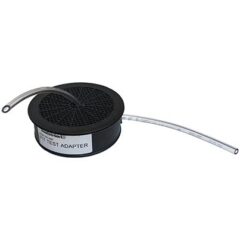 Fit Test Adapter for Sundstrom SR100 Half Mask (Filter Style)£95In stock
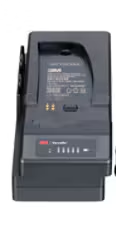 3M TR-342UK Versaflo Single Station Battery Charger Unit£358.28In stock
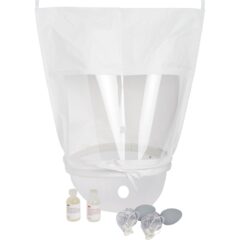 3M FT10 Saccharine Qualitative Face Fit Testing Kit£285In stock
- 3M FT30 Bitter Qualitative Face Fit Testing Kit£285In stock
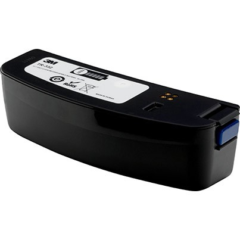 3M™ Versaflo™ TR-332 HIGH CAPACITY BATTERY PACK£369.81In stock
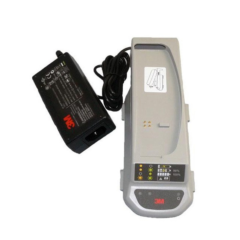 3M TR-341UK Versaflo Single Station Battery Charger Unit£358.28In stock
 Qualitative Fit Tester Training, 26th November£295In stock
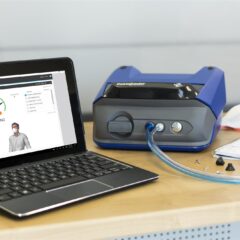 Face Fit Testing, 28th July, Wake The Tiger£540In stock
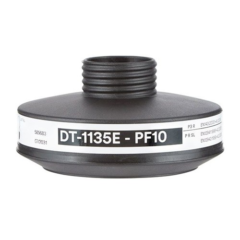 3M Particulate Filter PF10 P3 R D DT-1135E£15In stock
 Alpha Solway Qualitative Hood & Nebulisers Only (NO SOLUTIONS)£65In stock
- Portacount Hire£250In stock
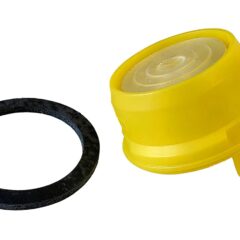 Fit Test Adapter for GVS Elipse® Full Face Mask£55In stock
12 of 384 products, read 3 h ago
12 of 384 products, prices £11.35–£660, as published by the shop (read from the shop 3 h ago; the shop last changed its products 27 November 2026; last change seen here 3 h ago). Prices and stock change; the shop’s website has the current ones.
About
We have a fleet of rental Portacounts available for immediate hire Training for Portacount fit testers throughout the UK and Europe Fit2Fit accredited fit testing services throughout the UK and Europe
Frequently asked questions
What is Fit Testing?
Fit Testing is a method for checking that a specific make, model and size of tight fitting facepiece matches an individual’s facial features and can provide an adequate seal to the wearer’s face.
What is the reason for Fit Testing?
The performance of tight-fitting facepieces depends on achieving a good contact between the wearer’s skin and the face seal of the facepiece. As people come in all sorts of shapes and sizes it is unlikely that one particular type, or size of RPE facepiece, will fit everyone. Inadequate fit will significantly reduce the protection provided to the wearer. Any reduction in protection can put the RPE wearer’s life in danger or may lead to immediate or long-term ill health.
What are the legal requirements for Fit Testing?
The COSHH Regulations reg.7(1), The CLAW Regulations reg.6(1), The CAW Regulations reg.10(1)(a) place the duty on the employer to prevent the exposure of their employees to hazardous substances; where prevention of exposure is not reasonably practicable, the employer must reduce it to the lowest concentration reasonably practicable by means other than the use of RPE. If, despite the use of suitable control measures (i.e. other than RPE) adequate control of exposure cannot be achieved, employers must provide suitable RPE (COSHH Regulations reg.7(3)(c), CLAW Regulations reg.6(3)(c), CAW…
What is a tight-fitting facepiece?
Tight-fitting facepieces are: Filtering Facepieces (disposable masks) including FFP1, FFP2 and FFP3 masks Half Masks Full Face Masks Visors, helmets, hoods and blouses are classed as ‘loose fitting’ devices and will not require fit testing.
Do loose fitting facepieces require fit testing?
No. Loose fitting devices are less dependent on a tight fit to the wearer’s face and therefore do not require fit testing. However, a loose fitting facepiece requires the correct size to ensure the wearer achieves an adequate protection.
When is a repeat Fit Test required?
The new INDG479 fit testing guidance document states that employers should have a system in place to review when a repeat fit test is required. In support of this requirement, Fit2Fit recommends that a suitable interval for repeat fit testing is 2 years. A repeat Fit Test will also be required if the wearer: a) loses or gains weight; b) undergoes any substantial dental work; c) develops any facial changes (scars, moles, etc) around the faceseal area.
What is the output of a fit test?
The main output of a fit test is a report which will state whether the fit test was a pass or a fail. Some service providers may call this a ‘certificate’.
Who can conduct Fit Testing?
INSG 479 states that RPE fit testing should only be conducted by a competent person. To be competent, the person should have adequate knowledge, and have received adequate instruction and training in the following areas: selection of adequate and suitable RPE examination of RPE and the ability to identify poorly maintained facepieces ability to correctly fit a facepiece and perform pre-use fit checks ability to recognise a poor fitting facepiece the purpose and applicability of fit testing; the differences between, and the appropriate use of, quantitative and qualitative fit testing methods…
Is a pre-use fit check the same as the facepiece fit test?
No. A pre-use Fit Check is conducted by the wearer every time the facepiece is donned, before entering the hazardous environment. This fit check is used to check whether the facepiece has been correctly donned before a contaminated work area is entered. A Fit Test is a method for ensuring that a specific make, model and size of facepiece is able to provide a suitable fit to an individual wearer. The Fit Test follows strict HSE protocols set out in INDG 479 and can only be conducted by a trained, competent fit test operator.
Is there a difference between a Fit Factor (FF) and the Assigned Protection Factor (APF)?
A fit factor is the result of a fit test and only relates to a specific facepiece/wearer combination. The Assigned Protection Factor (APF) for a specific type and class of RPE is published in BS4275.6 It relates to the likely performance of the whole device when worn correctly and used in accordance with the manufacturer’s instruction (which includes the need for a satisfactory fit testing). When selecting an adequate and suitable RPE, for use at work, the assigned protection factor should be used. For more details consult HSG53 or talk to a reputable RPE supplier or manufacturer.
Why do facepieces used with positive pressure breathing apparatus require fit testing?
Studies have shown that during heavy exertion, it is possible for the facepiece pressure to become momentarily negative in relation to the outside atmosphere, potentially resulting in facepiece leakage. The consequences of facepiece leakage for a positive pressure mask can be extremely serious since these types of devices are more likely to be used in extremely hazardous environments; even brief leaks can cause serious exposure. Wearers also may believe that they can afford to take less care when donning their facepiece when using a breathing apparatus that appears to be highly protective…
How is a power assisted respirator or a breathing apparatus facepiece fit tested?
Fit testing of these types of devices is usually carried out by temporarily converting the facepiece into a negative pressure respirator by adapting it to use a P3 filter instead of the usual air supply.
Can a Fit Test be carried out on a wearer who has a beard or stubble?
A fit test should not be conducted if there is any hair growth between the wearer’s skin and the facepiece of the mask. Such hair growth includes stubble, beards, moustaches, sideburns or low hairline which crosses the respirator sealing surface.
Why is it necessary for the wearer to exercise during the fit test?
Test exercises generate a physical workload on the wearer that simulate working activities and work rate. This will test the fit of the facepiece better than if the wearer was at rest.
What if the candidate normally wears a hard hat or goggles with their respirator?
If the candidate normally wears other personal protective equipment with their RPE (eg hard hat, goggles, etc) which has the potential to interfere with the seal of the facepiece then they should be worn during the fit test to check their compatibility.
Read from face-fit.co.uk. Last read 3 h ago. 7 of 11 key facts have a value; missing: opening hours, features, social profiles, booking, order, menu or pricing link. Where these facts come from