Manuka Lab UK
Online shop · Wilstead, United Kingdom · manukalab.co.uk
Unclaimed · Not verified by owner

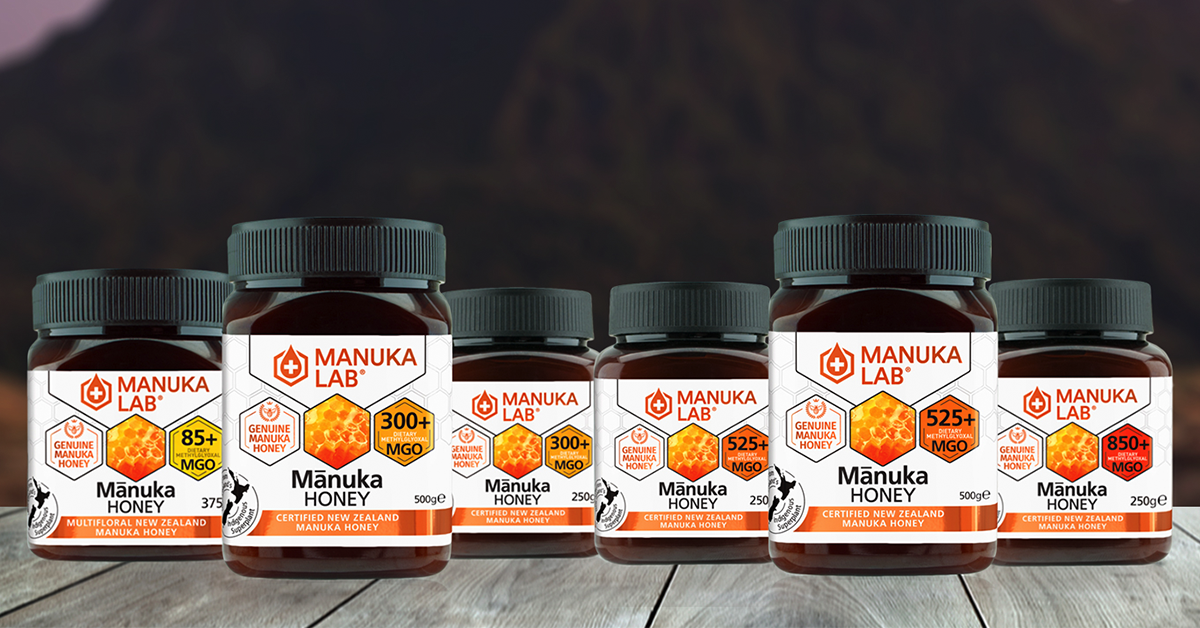
Manuka Honey, Manuka lab delivers 100% certified New Zealand Manuka honey to customers in the UK. Visit our website for the best Manuka honey.
The facts
- Address
- Manuka Lab UK c/o Ark H Handling, Unit 33, Watson Road, Wilstead Industrial Park, Wilstead MK45 3PD. Map
- Country
- United Kingdom
- Payment
- iDEAL, Visa, Mastercard, PayPal, Cash, Maestro
- Languages
- English
- Ships to
- United Kingdom
- Shipping information
- Shipping page
- Free shipping
- from £100
What they sell
Web shop on Shopify: 23 products, £1–£150
 Sore Throat Relief£27.73In stock
 Wellness on a Budget£19.48In stock
 Kids Everyday Pack£19.98In stock
 Everyday Defence£37.49In stock
 Mānuka Honey 70+ MGO 250G£7.99In stock
 Manuka Honey Lozenges with Propolis£4.50In stock
 Mānuka Honey HIGH & LOW Strength£45In stock
 Rare High Grade Mānuka Honey 1125+ MGO 250G£150In stock
 Squeezy Manuka Honey£12.49In stock
 Squeezy Blueberry Manuka Honey£12.49In stock
 Squeezy Ginger Manuka Honey£12.49In stock
 Squeezy Lemon Manuka Honey£6.25In stock
12 of 23 products, read 5 days ago
12 of 23 products, prices £1–£150, as published by the shop (read from the shop 5 days ago; the shop last changed its products 23 November 2026; last change seen here 5 days ago). Prices and stock change; the shop’s website has the current ones.
About
Our story began with Phil & Sharan Caskey, back in the mid 1990’s, who had a vision to have the traditional Māori knowledge of the Mānuka plant recognised as an important and worthwhile resource for world health. Working alongside the University of Waikato in 2000, and a medical device company in the UK, Phil co-created and registered the first Mānuka honey wound care dressing in the world. It wasn’t until then the real qualities and unique benefits of Mānuka honey were first discovered, and introduced to the world. Ensuring we work with and care for our environment has always been incredibly and inevitably important to us. After all, Mānuka is our precious natural resource.
Frequently asked questions
What Is MGO Mānuka Honey?
Mānuka honey is a special type of honey produced by bees that pollinate the Mānuka bush (Leptospermum scoparium), which is native to New Zealand. Unlike regular honey, Mānuka is known for its distinct taste and naturally occurring compound called Methylglyoxal (MGO).Our MGO Mānuka Honey has been rated to offer a guarantee to our customers that the products we sell are genuine. The “MGO” label is a quality rating system indicating the strength of Methylglyoxal within the honey, reflecting its authenticity and potency. This helps ensure that all certified Mānuka Honey in our UK shop is…
How did Mānuka honey originate?
Mānuka honey originates in New Zealand, where the native Mānuka bush (Leptospermum scoparium) thrives in remote, rugged landscapes. For centuries, the indigenous Māori people valued the Mānuka plant for its natural healing properties, using its leaves and bark in traditional remedies. The unique honey we know today became possible only after European settlers introduced honey bees to New Zealand in the 1800s. Since then, bees have gathered nectar from Mānuka flowers to create this remarkable honey, now recognised worldwide for its purity, potency, and distinctive wellness benefits.
Why should I buy MGO graded honey?
MGO stands for Methylglyoxal, which is the name of the chemical marker that gives Mānuka honey its unique antimicrobial activity. This helps ensure that all certified Mānuka honey are authentic and the highest quality.
What is the difference between monofloral and multifloral Mānuka honey?
Monofloral Mānuka honey is made primarily from the nectar of the Mānuka bush (Leptospermum scoparium). To be classified as monofloral, the honey must meet strict standards, showing high levels of Mānuka-specific markers and pollen. This results in a purer Mānuka flavour and a more consistent profile.Multifloral Mānuka honey, on the other hand, is produced by bees that collect nectar from Mānuka flowers as well as other floral sources nearby. While Mānuka nectar is still the main ingredient, the presence of additional floral varieties gives multifloral honey a lighter Mānuka taste and a…
Is Manuka Lab Mānuka Honey ethically and sustainably sourced?
Ethical production is vitally important in all items we buy – this is why the Mānuka Lab shares equal percentages of honey sales between Mānuka resources owners, beekeepers and the honey processing company. By using a fair share benchmark that is higher than the industry standard, we can continually support landowners to guard, protect and nurture Mānuka plants, leading to a sustainable future together.Our Ethical Honey Harvesting Programme also sets out clear quality policies and procedures for all harvest and apiary operators working with us. This programme’s aim is to protect the bees and…
How do I know my MANUKA LAB® Mānuka honey is genuine?
All our Mānuka honey is produced and packed in New Zealand, we also have a hive scanner system which manages our batch traceability.
Is MANUKA LAB® Mānuka Honey 100% product of New Zealand?
Yes, all MANUKA LAB® Mānuka honey is collected by our kiwi bees, harvested by our beekeepers from the untamed East Coast of New Zealand.
What is Mānuka honey?
Mānuka [ ma·nu·ka ] honey comes from the nectar of the flower of the Mānuka bush (Leptospermum scoparium) which is indigenous to New Zealand. It is the nectar and the bee that give this honey its unique properties.
Why should I buy MGO certified Mānuka honey?
MGO stands for Methylglyoxal, which is the name of the chemical marker that gives Manuka honey its unique antimicrobial activity. This helps ensure that all certified Manuka honey are authentic and the highest quality. The higher the MGO number the higher the antimicrobial activity.
Why is Mānuka Lab® MGO Mānuka honey claimed to be ethically and sustainably sourced?
Mānuka Lab® share equal percentages of honey sales between Mānuka resources owners, beekeepers and the honey processing company. By using a fair share benchmark that is higher than the industry standard, we are able to continually support landowners to guard, protect and nurture Mānuka plants, leading to a sustainable future together. Our Ethical Honey Harvesting Programme also sets out clear quality policies and procedures for all harvest and apiary operators working with us. The aim of this programme is to protect the bees and hives from risk of contamination, to protect the environment…
What are the differences between UMF® and MGO Mānuka honeys?
MGO (sometimes seen as MG) is the abbreviation of Methylglyoxal and is used as a measure to grade Mānuka honey antimicrobial activity. Methyglyoxal is a key unique compound naturally occurring in New Zealand Mānuka honey. UMF® stands for Unique Mānuka Factor. As a quality assurance mark, it ensures quality and purity of UMF® honey products. UMF® can only be used by licence holders who follow UMF® Honey Association’s stringent Code of Practice. This includes independent audits to ensure compliance with UMF® quality standard production facility requirements. The association appoints…
How do I know my Mānuka Lab® Mānuka honey is genuine?
Manuka Lab trace product from hive to jar, via our hive scanning systems.
Why does Mānuka honey appear to differ in colour and texture?
Mānuka honey is a natural product, influenced by seasonal and regional conditions. Some areas produce paler honey than others. Mānuka honey might also grow in flavour and darken with age.
What are the ideal storage conditions for Mānuka honey?
We recommend you store your Mānuka honey in a cool dry place under 21 degrees Celsius. Frequent or large change of temperature might affect Mānuka honey’s texture and UMF®/MGO levels.
Is Mānuka Lab® honey 100% product of New Zealand?
Yes, all Mānuka Lab® Mānuka honey is collected by our kiwi bees, harvested by our beekeepers from the untamed East Coast of New Zealand. The honey is then extracted and processed in our factories in Opotiki and Whakatane. All jars of honey are delivered to your door right from our factory and warehouse in Whakatane, and no middle parties are involved.
What are the safety guidelines on using your essential oils?
We care about your SAFETY, please check the guidelines below carefully before use. Our essential oils are for external use only.Perform a patch test prior to use. If discomfort or irritation occurs, stop using immediately.Avoid contact with sensitive areas such as eyes, ears, genitals, and mucous membranes with undiluted essential oils.Essential oils are very powerful, so start with a low dosage and gradually build up. Excessive use of essential oils may increase the risk for adverse reactions. In most cases, 1–2 drops are adequate, and using more may waste product. Depending on the…
What does the MßTK™ mark mean on your label?
MßTK™ stands for natural Mānuka oil ß-triketones, a group of natural compounds found in Mānuka oil that are highly beneficial in the fight against harmful bacteria. MßTK™ is a quality assurance mark and represents the percentage of Mānuka ß-triketones present in Manuka oil. Learn more.
Why should I buy MßTK™ certified Mānuka oil?
As a natural product, like Mānuka honey, Mānuka oil varies in antimicrobial potency. The MßTK™ grading system effectively communicates the strength and quality of the Mānuka oil and allows you to select the grade of oil most suited to your needs.
Features
Read from manukalab.co.uk. Last read 5 days ago. 9 of 11 key facts have a value; missing: opening hours, booking, order, menu or pricing link. Where these facts come from