Maya Moon Cacao
Online shop · Dunwoody, United States · mayamooncacao.com
Unclaimed · Not verified by owner

Experience our ethically sourced, fair trade certified ceremonial raw cacao powders from Guatemala, empowering Mayan heritage & traditions. Shop here
The facts
- Country
- United States
- Languages
- English
- Ships to
- Worldwide
- Shipping information
- Shipping page
What they sell
Web shop on Shopify: 19 products, $10–$742.50
 Wholesale Case, 15 Ceremonial Cacao Blocks (1 lb)$742.50In stock
 Handmade Clay Copalera | Copal Incense Burner$25In stock
 Rax Pom Ceremonial Copal Ritual Kit - Complete Burning Set with Handmade Copalera, Resin, Charcoal & Hemp Cord$45In stock
 Sacred Heart Ceremonial Cacao Ritual Kit$164.99In stock
 Organic Golden Milk Wellness Blend$30In stock
 Cacao Nibs, Fire-Roasted, Stone-Ground, Artisan-Made in Guatemala | Organic, Vegan, Superfood Crunch$53In stock
 Rax Pom – Ceremonial Copal Resin from Guatemala$85In stock
 Ceremonial Cacao Powder, 1.5 oz Single Serving – Mayan, Fresh Ground$10In stock
 E-book: The Sacred Guide to Ceremonial Cacao – Author: Amana Moe$15In stock
 12-inch long Handmade Wooden Cacao Mixer, Elevate Your Ceremonial Cacao Experience$15In stock
 Maya Moon Cacao Handcrafted Clay Mug - Artisanal Ceremonial Cacao Mug with Handle$25In stock
 Artisan Clay Cacao Ceremonial Cup – Hand-Painted, Handle-Free, 12 oz$25In stock
12 of 19 products, read 31 h ago
12 of 19 products, prices $10–$742.50, as published by the shop (read from the shop 31 h ago; the shop last changed its products 27 November 2026; last change seen here 31 h ago). Prices and stock change; the shop’s website has the current ones.
About
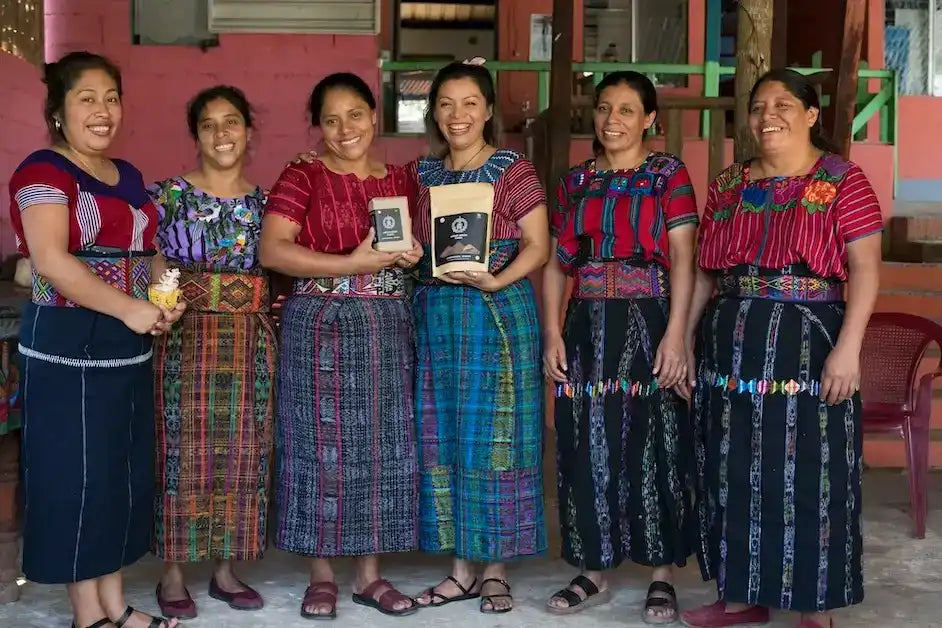
We are Maura & Elizabet Sacach, Kaqchikel Maya sisters and co-founders of Maya Moon Cacao. We were born and raised in San Marcos La Laguna, on the shores of Lake Atitlán in the highlands of Guatemala. We created Maya Moon to share a living cacao tradition with care and to honor the hands, stories, and land behind every cup. Maura Sacach Co-founder (U.S. based)Maura leads our e-commerce, partnerships, and community events bringing Maya Moon’s living tradition to new audiences. She shapes brand storytelling and customer experience across channels and guides wholesale onboarding and logistics. Her focus is growth that stays true to our fair-trade, women-led values.
Frequently asked questions
What is cacao paste?
Cacao paste (also called cacao mass or cacao liquor) is roasted, shelled cacao beans ground until smooth. It is 100% cacao with the natural cacao butter intact, which is why it sets into a solid block as it cools.
Is cacao paste raw?
No. The cacao beans are fermented for 6–8 days, sun-dried for 7–9 days, then roasted in small batches over a controlled flame, hand-shelled and stone-ground. "Raw cacao" usually means beans that were never roasted. Roasting is the traditional Maya method; it develops the flavor and lets the beans be peeled by hand.
How do I use a ceremonial cacao block?
Chop or grate about 1 oz (28 g) for a daily cup, or 1.5 oz (42 g) for a full ceremonial serving. Whisk it into water or plant milk warmed to about 140–160°F (60–70°C) until melted and frothy.
How many cups does a block make?
A 1 lb block makes about 16 daily cups or 10 ceremonial servings. A ½ lb block makes about 8 daily cups or 5 ceremonial servings.
Are Maya Moon cacao blocks Certified Ceremonial Cacao®?
Yes. Maya Moon Cacao is a founding licensee of Certified Ceremonial Cacao®, a certification mark for cacao grown in Latin America and made into beans, nibs or paste in the same country under standards for sustainability, supply-chain ethics, artisanal methods and transparent labeling.
Block or powder: what's the difference?
Both are the same 100% cacao paste. Blocks are the traditional solid form that you chop or grate yourself; fresh-ground powder is already grated so it dissolves in seconds.
What is ceremonial cacao?
Ceremonial cacao is pure, whole-bean cacao made to be prepared as a warm drink, the way cacao has been shared in Maya culture for centuries. There is no single legal definition; at Maya Moon it means 100% cacao with nothing added, fire-roasted, hand-peeled and stone-ground by hand.
Is Maya Moon ceremonial cacao organic?
Yes. Our cacao is certified organic and fair-trade, grown by Indigenous Q'eqchi' farming families in Cahabón, Alta Verapaz, and made by Kaqchikel Maya women artisans who are paid fair wages.
Cacao blocks, powder or nibs: which should I choose?
Blocks are solid 100% cacao paste that you chop or grate before use; they store well and are the traditional form. Fresh-ground powder is the same cacao paste, already grated so it dissolves in seconds. Nibs are roasted, shelled pieces of the cacao bean before grinding; add them to smoothies, bowls or recipes for crunch.
Is ceremonial cacao raw?
No. The cacao beans are fermented for 6–8 days, sun-dried for 7–9 days, then roasted in small batches over a controlled flame, hand-shelled and stone-ground. "Raw cacao" usually means beans that were never roasted. Roasting is the traditional Maya method; it develops the flavor and lets the beans be peeled by hand.
What does Certified Ceremonial Cacao® mean?
Certified Ceremonial Cacao® is a certification mark for cacao grown in Latin America and made into beans, nibs or paste in the same country, under standards for farming sustainability, supply-chain ethics, artisanal methods and transparent labeling. Maya Moon Cacao is a founding licensee, and our cacao blocks carry the mark.
How much ceremonial cacao should I use?
About 1 oz (28 g) for a daily cup, or 1.5 oz (42 g) for a full ceremonial serving, whisked into water or plant milk warmed to about 140–160°F (60–70°C).
Who makes Maya Moon Cacao?
Maya Moon Cacao is a women-led, Indigenous-owned company founded by Maura Sacach, a Kaqchikel Maya woman from San Marcos La Laguna. Production is led by her sister, Elizabet "Lisa" Sacach, and every purchase supports fair wages for women artisans and single mothers in Guatemala.
Features
Read from mayamooncacao.com. Last read 31 h ago. 8 of 11 key facts have a value; missing: location or service area, opening hours, social profiles. Where these facts come from