Nate's Natty
Online shop · Framingham, United States · natesnatty.com
Unclaimed · Not verified by owner
We’re on a mission to prove that healthy, high-performance skincare shouldn't be a luxury. Most natural soaps are either synthetic detergents in disguise or boutique bars priced at a ridiculous premium. Nate’s Natty is the middle ground: engineered chemistry and radical value.
The facts
- Country
- United States
- Payment
- Visa, American Express, Apple Pay, Google Pay, Shop Pay
- Languages
- English
- Ships to
- Worldwide (28 countries)
- Shipping information
- Shipping page
- Free shipping
- from $60
What they sell
Web shop on Shopify: 77 products, $13.99–$46.99
 Go Bar Carrying Case 3-Pack$16.99In stock
 Fruit Bar Soap Variety Pack (6-Pack)$27.99In stock
 Fruit Bar Soap Variety Pack (3-Pack)$14.49In stock
 Citrus Bar Soap Variety Pack (3-Pack)$14.49In stock
 Citrus Bar Soap Variety Pack (6-Pack)$27.99In stock
 Soap Saver Tray (3-Pack)$13.99In stock
 Floral Bar Soap Variety Pack (4-Pack)$18.99In stock
 Forest Bar Soap Variety Pack (4-Pack)$18.99In stock
 Lavender Bar Soap Starter Pack$13.99In stock
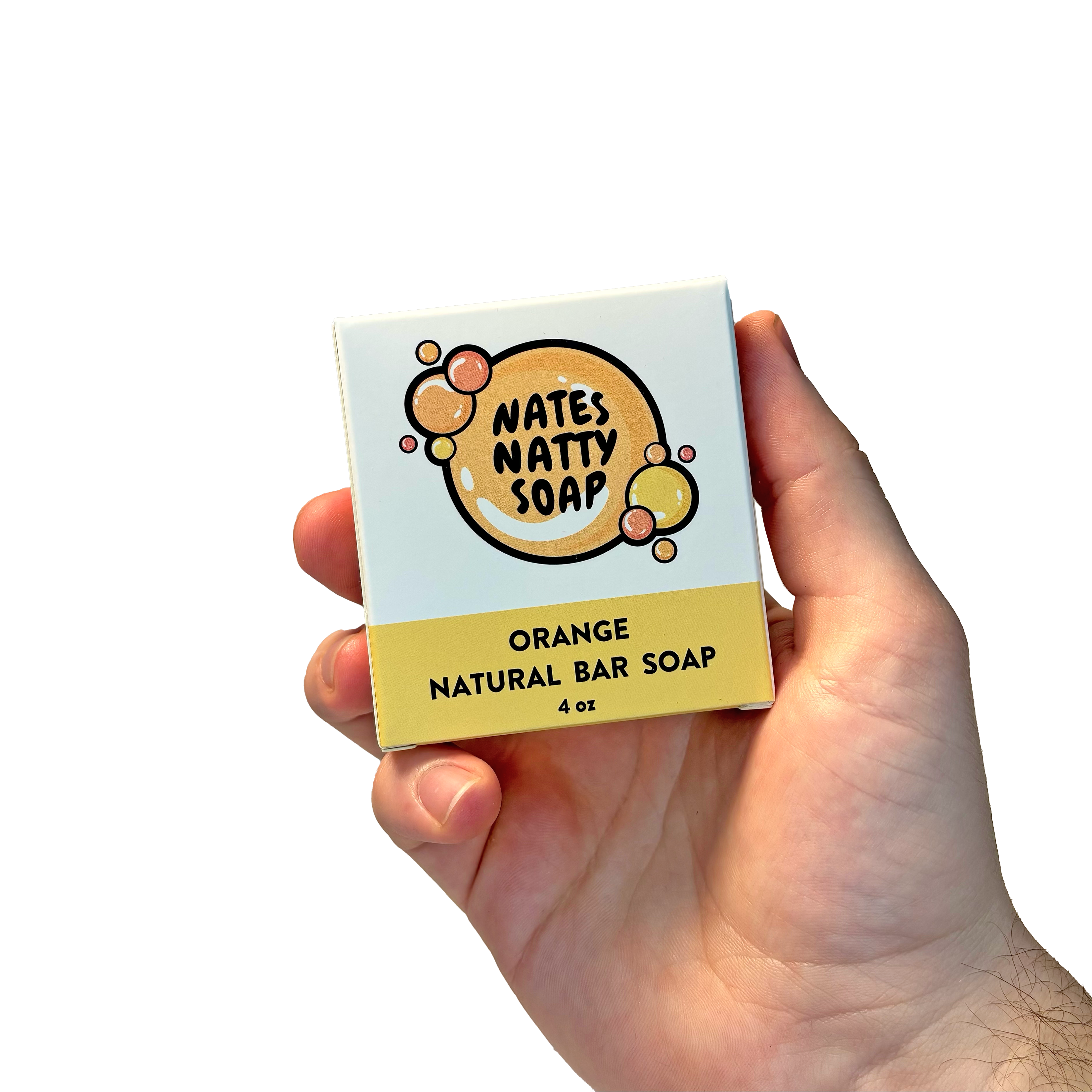
 Orange Bar Soap Starter Pack$13.99In stock
 Pine Bar Soap Starter Pack$13.99In stock
 Rose Bar Soap Starter Pack$13.99In stock
12 of 77 products, read 10 h ago
12 of 77 products, prices $13.99–$46.99, as published by the shop (read from the shop 10 h ago; the shop last changed its products 28 November 2026; last change seen here 7 days ago). Prices and stock change; the shop’s website has the current ones.
About
It started with a $10 bar of soap and a question: why does good soap have to be expensive? Two years and thousands of batches later- here we are. It started with a Christmas gift. A premium natural soap bar with a $10 price tag. Shocked that soap could cost that much, the founder decided to make his own in the garage. If the product was this good, why did it have to be this expensive? He learned cold process soap making from his high school history teacher, Mr. D- who had been doing it as a hobby for years. After weeks studying the craft, the first batch came out: a eucalyptus bar that outperformed the one that started this whole thing.
Frequently asked questions
Where is Nate’s Natty soap made?
Nate’s Natty soap is proudly made in Massachusetts, USA!
Is Nate's Natty environmentally friendly?
Nate’s Natty soap uses 10x less water than body wash, uses NO PLASTIC PACKAGING, and is only made with natural, sustainable ingredients. Yes. It is very environmentally friendly.
How long does Nate’s Natty soap last?
Our soaps last 2-3 weeks on average with daily use. The longevity differs between households based on a variety of factors — the amount of lather, the amount of body hair, the frequency of use, and the water type. If you're looking to extend the life of your soap, we recommend these following two methods:It's best to store your soap in a place that will allow it to dry out between uses — we recommend using a Nate’s Natty soap saver tray, which can double the life of our bars.After showering, give your bar a little shake before storing it away on the soap saver tray, removing any excess water…
What is the shelf life of Nate’s Natty Soap?
The shelf life for our bars of soap is 18 months due to our use of natural ingredients and no preservatives. While it could last up to 18 months, we recommend using it prior to that for maximum scent. We also recommend storing them in a dry, cool place while not in use.
Does Nate’s Natty use dyes or pigments in their soap?
We do not use any dyes, pigments, or colorants on our soap. We leave out any ingredients that are unnecessary to function of our your soap.
What are the ingredients in Nate's Natty soap?
Our soap is made from a proprietary blend of saponified oils (Olive, Coconut, Sustainable Palm). Our scented bars are scented using only organic essential oils. To learn more, click here!
Is Nate's Natty soap packaging recyclable?
Our soap boxes are recyclable and biodegradable. No plastic waste here!
What does "saponified" mean?
Saponified refers to the chemical reaction known as saponification, which is the process of converting fats or oils (lipids) into soap. This reaction occurs when a strong alkali, such as sodium hydroxide (lye) for solid soap or potassium hydroxide for liquid soap, is combined with these fats or oils. During saponification, the alkali breaks down the fats or oils into their constituent molecules, glycerol, and fatty acid salts (soap molecules). These soap molecules have both hydrophilic (water-attracting) and hydrophobic (water-repelling) parts, allowing them to interact with both water and…
Still have a question?
We actually read these. Seriously.
Features
Read from natesnatty.com. Last read 10 h ago. 8 of 11 key facts have a value; missing: location or service area, opening hours, booking, order, menu or pricing link. Where these facts come from