Northern Polytunnels
Online shop · United Kingdom · northernpolytunnels.co.uk
Unclaimed · Not verified by owner

Small, domestic and commercial polytunnels in a wide range of sizes. All-steel frames with no timber to rot. Competitive UK pricing.

The facts
- Country
- United Kingdom
- Phone
- 01282 873120
- Founded
- 1969
- Payment
- iDEAL
- Languages
- English
- Shipping information
- Shipping page
- Reviews
- Trustpilot · Google
- Trust marks
- Trustpilot
What they sell
Web shop on WooCommerce: 413 products, £0.10–£2,675.68
Show 18 more categories
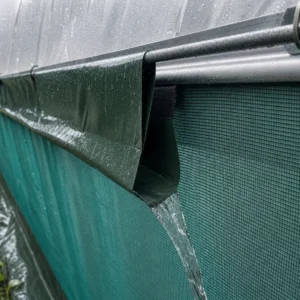 Polytunnel Side Guttering for EnviroPro£113.69–£557.69In stock
 EnviroPro Diffused Film | Polytunnel Cover£13.45–£22.60In stock
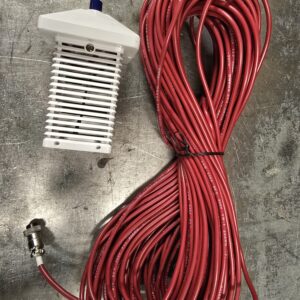 INTERNAL TEMPERATURE SENSOR – 2-PIN£29.57In stock
 LOW COST WINDBREAK – 1m x 30m GREEN ROLL£56.43In stock
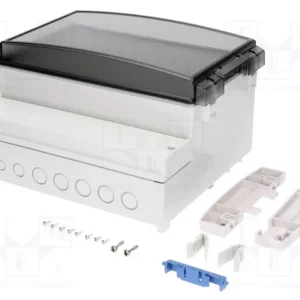 FAN CONTROL BOX£60.89In stock
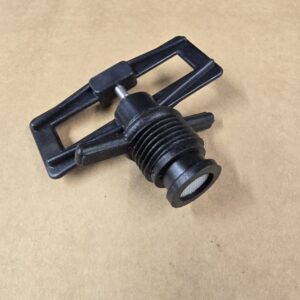 MIST NOZZLE 1/2″ MALE BSP – 0.8mm JET£9.52In stock
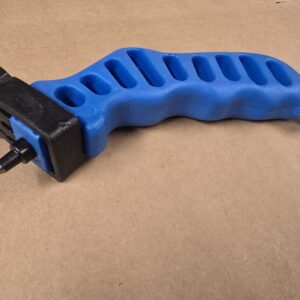 DELUXE 3MM HOLE PUNCH£5.84In stock
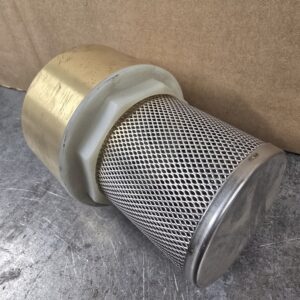 2IN FEMALE BSP BRASS FOOT VALVE£46.90In stock
 Washers White/Grey£0.70In stock
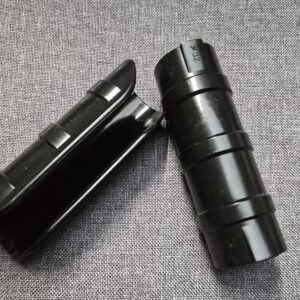 BLACK PLASTIC CLIP£0.33In stock
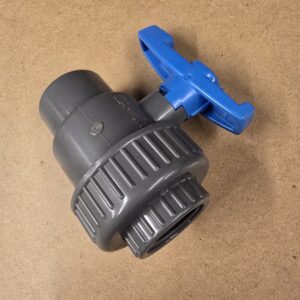 PVC SINGLE UNION BALL VALVE (1″)£8.89In stock
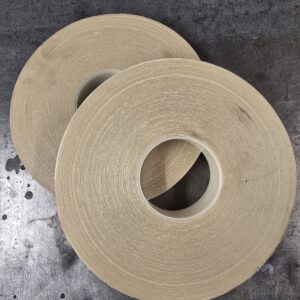 NOVABOND SHEAR GRIP DOUBLE-SIDED BANNER TAPE£34.47In stock
12 of 413 products, read 21 h ago
12 of 413 products, prices £0.10–£2,675.68, as published by the shop (read from the shop 21 h ago; the shop last changed its products 27 November 2026; last change seen here 5 days ago). Prices and stock change; the shop’s website has the current ones.
About
BLACK NOVEMBER • 10% OFF EVERYTHING • USE CODE BN10 AT CHECKOUT Northern Polytunnels is a family-run business based in Lancashire, with roots that stretch back to 1969. We manufacture and deliver a wide range of products focused on specific customer needs which include hobby, commercial, horticultural, livestock and PVC clad structures.
Frequently asked questions
What is a polytunnel?
A polytunnel is a steel-framed structure covered with specialist horticultural polythene, used for growing vegetables, fruit and flowers in a protected environment. It works in a similar way to a greenhouse but uses polythene instead of glass.
What can I grow in a polytunnel?
Polytunnels allow you to grow a wide range of crops including tomatoes, cucumbers, peppers, salads, strawberries, herbs and cut flowers. They help extend the growing season and protect crops from unpredictable UK weather.
How do I build a polytunnel?
Most domestic polytunnels can be built by two people using basic tools. The process involves preparing the site, installing foundations, assembling the steel frame, and fitting and tensioning the polythene cover.
How does a polytunnel work?
Sunlight passes through the polythene cover, warming the air and soil inside, and the cover helps retain that heat to create a more stable internal climate than outdoors. Ventilation (doors, side vents or roof vents) is used to regulate temperature, humidity and airflow to prevent overheating and reduce condensation.
Polytunnel vs greenhouse - what’s the difference?
Polytunnels use polythene rather than glass, are generally quicker to install, can be built in larger sizes more easily, and are often more flexible in layout and siting. Greenhouses are usually smaller and more permanent, use rigid glazing materials, and often have higher upfront costs per square metre.
Why are polytunnels so popular?
Polytunnels are popular because they extend the growing season and protect crops from unpredictable weather. They help improve crop establishment, increase yields and quality, allow a wider range of plants to be grown, and reduce losses from wind, frost or heavy rain.
Who are polytunnels suitable for?
Polytunnels are used by home gardeners and allotment holders, small-scale and commercial growers, plant nurseries and garden centres, and schools, charities and community groups. Because they can be tailored in size, layout and specification, the same basic structure can suit very different applications.
Domestic vs commercial polytunnels
Domestic and commercial polytunnels both create a protected growing space, but domestic tunnels often prioritise ease of build and flexible layouts, while commercial tunnels often prioritise workflow efficiency, ventilation control and site-specific foundations for long-term durability.
What size polytunnel do I need?
The right size depends on what you want to grow and how you want to work inside the tunnel. A useful rule of thumb is to choose the largest footprint you can realistically fit and manage, because polytunnels fill up quickly once you add beds, paths, staging, irrigation and room to move.
How should I plan the layout inside a polytunnel?
Common layout principles include keeping a main path wide enough for your most-used tools (often wheelbarrow-friendly), grouping crops by watering needs, leaving space at the ends for turning or storage, and planning for supports and irrigation lines while keeping access to vents and doors.
What’s the best orientation for a polytunnel?
In practice, orientation is often less critical than people think compared with siting, shelter, frame design and anchoring. If possible, prioritise wind exposure and shelter; it’s generally better for the prevailing wind to hit the side of the tunnel rather than run straight down its length, to reduce pressure on doors and gable ends and spread wind load more evenly.
What doors should I choose?
The right doors depend on how you’ll use the polytunnel and what equipment you need to move in and out. Door width, material and opening style affect usability and durability; sliding doors avoid intruding into the growing area and aren’t affected by wind when open, and aluminium remains stable in damp conditions and requires minimal maintenance.
Where should I site a polytunnel?
Look for maximum sun exposure (especially in spring and autumn), shelter from the strongest prevailing winds (without blocking light), good drainage, easy access to water (and power if needed), and enough space around the tunnel for maintenance, mowing and cover fitting.
Do I need foundations, and what affects the choice?
Yes—foundations (or appropriate anchoring) are critical for stability, especially in wind and wet ground. The best approach depends on soil type, exposure, tunnel size, and whether you may want to move or reconfigure the tunnel later.
What’s the practical difference between diffused and clear polythene?
Clear polythene maximises direct light transmission and heats up quickly in sunny conditions, and is typically recommended for edible crops where light levels influence yield. Diffused polythene scatters light to spread it more evenly, reducing harsh shadows and hotspots and creating a more uniform growing environment, often recommended for ornamentals and mixed-use tunnels.
What is UV Open Film?
A UV Open film is a type of polythene that allows certain wavelengths of ultraviolet (UV) light to pass through the cover rather than blocking them completely. This can help deter some pests, improve pollinator behaviour where insects are active, and create conditions that more closely resemble outdoors.
What does UV stabilised polythene mean?
UV stabilised polythene contains additives that protect the plastic from breaking down when exposed to sunlight over time. UV stabilisers help the cover remain flexible, strong and weather-resistant for longer, reducing cracking and brittleness and extending usable life.
Features
Read from northernpolytunnels.co.uk. Last read 21 h ago. 9 of 11 key facts have a value; missing: location or service area, opening hours. Where these facts come from