Paddock & Whiskers
Online shop · Valencia, United States · horsewaterbucket.com
Unclaimed · Not verified by owner

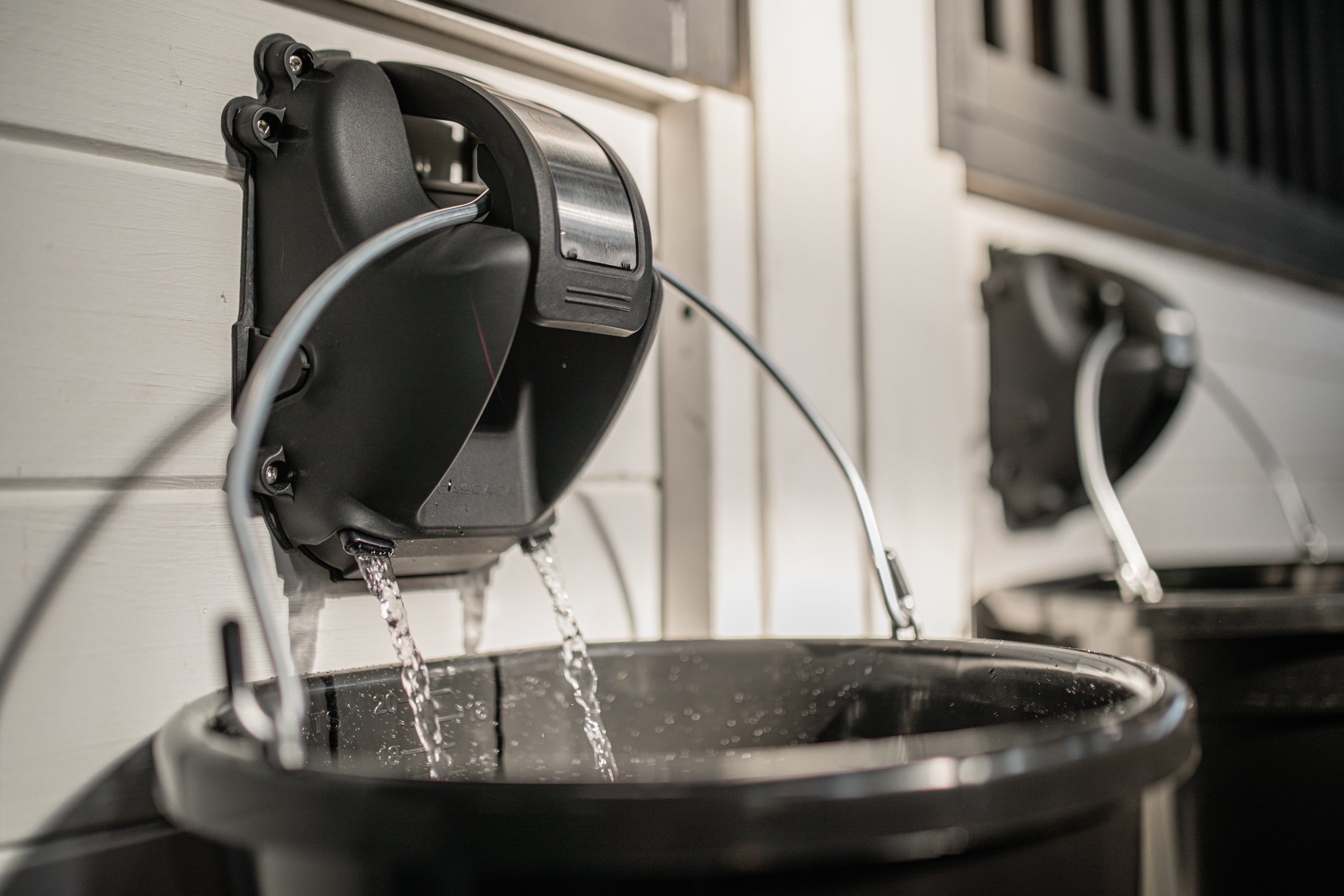
Automatic horse water bucket filler that keeps your existing stall buckets full. Contactless sensor, freeze protection, and app hydration alerts. Pre-order now.
The facts
- Country
- United States
- Opening hours
- Require hand-filling 1–2+ times daily per horse.Details
- Payment
- Contactless, iDEAL
- Languages
- English
- Ships to
- United States, Canada
What they sell
Web shop on Shopify: 1 products, $972

1 product, read 47 h ago
1 product, prices $972, as published by the shop (read from the shop 47 h ago; the shop last changed its products 27 November 2026; last change seen here 7 days ago). Prices and stock change; the shop’s website has the current ones.
Opening hours
| Require hand-filling 1–2+ times daily per horse. |
Hours as written on the website.
About
The Cascada Waterer redefines equine hydration using advanced sensors and app connectivity, ensuring precise water levels and behavioral insights from anywhere. Always-full, cleaner buckets. Precise hydration data for every horse. Less daily labor and fewer middle-of-the-night worries about empty water. You don't have to overhaul your entire barn at once. Start by upgrading a few key stalls-seniors, high-performance horses, medical cases, or the stalls farthest from your water source-and experience the difference before expanding.
Prices
| The Cascada Waterer | $972 |
Prices as shown on the website when it was last read; the business may have changed them since.
Frequently asked questions
Can Cascada be used outdoors or only in stalls?
Recommended use cases include interior stalls, covered run-ins, and other protected locations. Direct exposure to rain, extreme wind, or unshielded sun may exceed the unit's environmental ratings. Check Cascada's product documentation for specific temperature ranges and installation guidelines for outdoor or semi-outdoor use.
What happens if there's a power or water outage?
The bucket still functions as a normal bucket-you can fill it manually during outages using a hose or cart. When power and water return, the system resumes monitoring and automation automatically. This is an important advantage over fully enclosed automatic waterers that become useless without power.
Will Cascada work with the buckets I already own?
Cascada is designed for most common horse water buckets, especially flat-back and round plastic buckets used in stalls. Flatback buckets fit snugly against walls or stalls, making them the ideal pairing. Check Cascada's specifications for minimum and maximum bucket size or depth guidelines to ensure accurate sensing and reliable filling.
How many horse water buckets do I need per horse?
Standard practice is at least one large (15–20 qt) bucket per stalled horse, with two recommended in hot climates or for high-volume drinkers. Standard adult horses need roughly 5 gallons or more of water per session, so size matters. Automatic filling can reduce the need for duplicate buckets in some setups, but maintaining a backup bucket inside the stall is still wise for redundancy.
How often should I clean my horse's water bucket?
Dump and rinse at least once daily, with a full scrub 2–3 times per week in warm months. Dumping and scrubbing a bucket ensures complete removal of debris, preventing contamination-there's no shortcut for this. Cascada's contactless design means no extra internal parts to scrub, simplifying the cleaning routine to just the bucket itself.
Is an automatic horse water bucket system safe?
Built-in level control prevents overflow by stopping the fill at a preset depth. Proper installation requires GFCI outlets and secure plumbing connections-the same electrical safety standards that apply to heated buckets and livestock equipment. Cascada's durable housing is designed to withstand chewing, kicking, and typical stall wear. Regular inspection of fittings and connections should be part of your routine, just as with any barn equipment.
Features
Read from horsewaterbucket.com. Last read 47 h ago. 9 of 11 key facts have a value; missing: location or service area, social profiles. Where these facts come from