Redeemed Botanicals
Online shop · Boise, United States · redeemedbotanicals.com
Unclaimed · Not verified by owner

The facts
- Country
- United States
- Languages
- English
- Ships to
- Worldwide (28 countries)
- Shipping information
- Shipping page
- Social
What they sell
Web shop on Shopify: 8 products, $15–$45
 Cotton Canvas Pouch$15In stock
 Cotton Bread Bags$20In stock
 Silk Ribbon$30In stock
 Tea Towels$30In stock
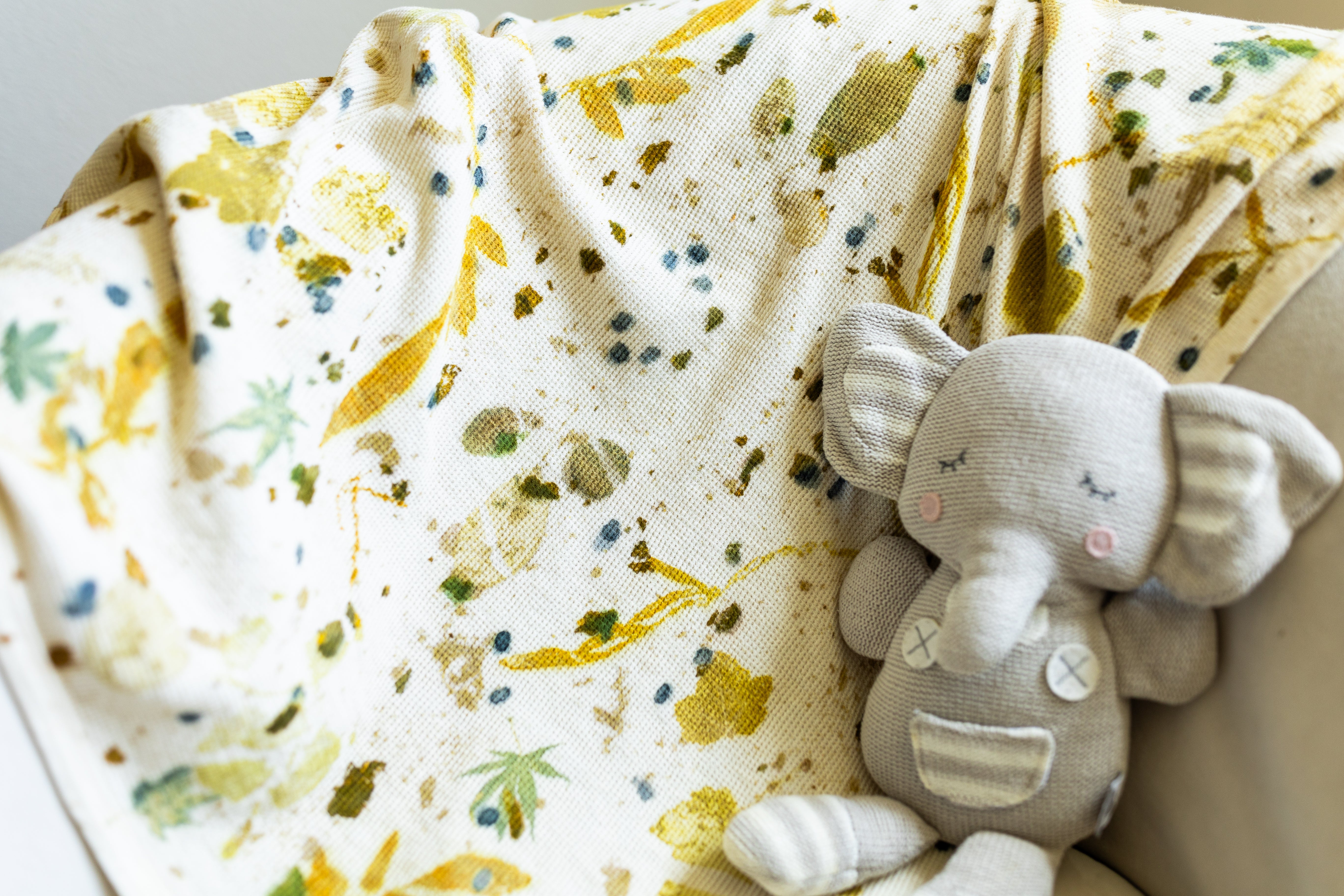
 Cotton Waffle Baby Blankets$45In stock
 Silk Bandana$40In stock
 Bamboo Socks$20In stock
 Cotton Half Aprons$30Out of stock
8 products, read 26 h ago
8 products, prices $15–$45, as published by the shop (read from the shop 26 h ago; the shop last changed its products 27 November 2026; last change seen here 6 days ago). Prices and stock change; the shop’s website has the current ones.
About
Justine Stone is the owner and artist of Redeemed Botanicals. Art and nature have always had a special place in her heart and career, but she found her fascination in natural dyes. She has now fallen in love with the beauty of creating art with both homegrown and foraged plants, flowers, food waste and sometimes even bugs. She was born and raised in Southern California and has many roles: wife, mother of three children, homeschooling mom by day, natural dyer by night, and owner of Redeemed Botanicals. She now resides in Boise, Idaho with her husband, three children, three legged dog and a pet jumping spider.
Frequently asked questions
What is eco-printing?
Eco-printing, also known as botanical printing, is a sustainable technique that uses natural plant materials to transfer colors and shapes onto fabric or paper. The process involves bundling plant materials with fabric and then steaming or boiling the bundle to release the plant's natural dye compounds. The result is a unique print that captures the plant's textures and pigments without the use of harsh chemicals or synthetic dyes.
What is immersion dyeing?
Immersion dyeing is a simple method of dyeing fibers by submerging them in a dye solution until they are completely covered in liquid. The fibers should be able to move around freely in the solution to ensure even saturation of the dye color.
What is Tataki zomé?
Tataki zomé, also known as "flower pounding" or "plant bashing", is a Japanese technique for dyeing fabric or paper by hammering flower heads and leaves onto the material to transfer their natural pigments. The word "tataki zomé" translates to "hammering-dye" and is derived from the Japanese words tataki, meaning "hammering", and zomé, meaning "dye".
Can I wash my naturally dyed items?
Yes! Each textile has been pre-treated with a mordant that allows the natural dyes to be fixed to the fibers. Because of the nature of natural dyes, every single item is unique, special and may have some variations from the plant pigments.
How do I care for naturally dyed cotton or linen items?
For colors that last and stay vibrant, hand or machine wash all products in cool water with a pH neutral detergent (any free and clear detergents are usually safe). Most natural dyes are pH sensitive, so be aware that vinegar or lemon juice may alter the color of your item.Hang dry in the shade, or tumble dry on low. Iron or steam if needed. Keep your naturally dyed item out of direct sunlight. Because of the nature of natural dyes, every single item is unique, special and may have some variations from the plant pigments. May fade slightly over time.
How do I care for naturally dyed silk items?
For colors that last and stay vibrant, hand wash all products in cool water with a pH neutral detergent (any free and clear detergents are usually safe). Most natural dyes are pH sensitive, so be aware that vinegar or lemon juice may alter the color of your item.Hang to dry. Iron on low or steam if needed. Keep your naturally dyed item out of direct sunlight.Because of the nature of natural dyes, every single item is unique, special and may have some variations from the plant pigments. May fade slightly over time.
Read from redeemedbotanicals.com. Last read 26 h ago. 7 of 11 key facts have a value; missing: location or service area, opening hours, features, booking, order, menu or pricing link. Where these facts come from