Refracted Light Fiber Arts
Online shop · Waukesha, United States · refractedlightfiberarts.com
Unclaimed · Not verified by owner

Naturally dyed textiles and home goods for crafters.
The facts
- Country
- United States
- Languages
- English
- Ships to
- United States
- Shipping information
- Shipping page
- Returns
- within 30 days Returns page
What they sell
Web shop on Shopify: 88 products, $3–$106
Show 18 more categories
 Hithlum Bulky Yarn$32In stock
 Breeland DK Yarn$34In stock
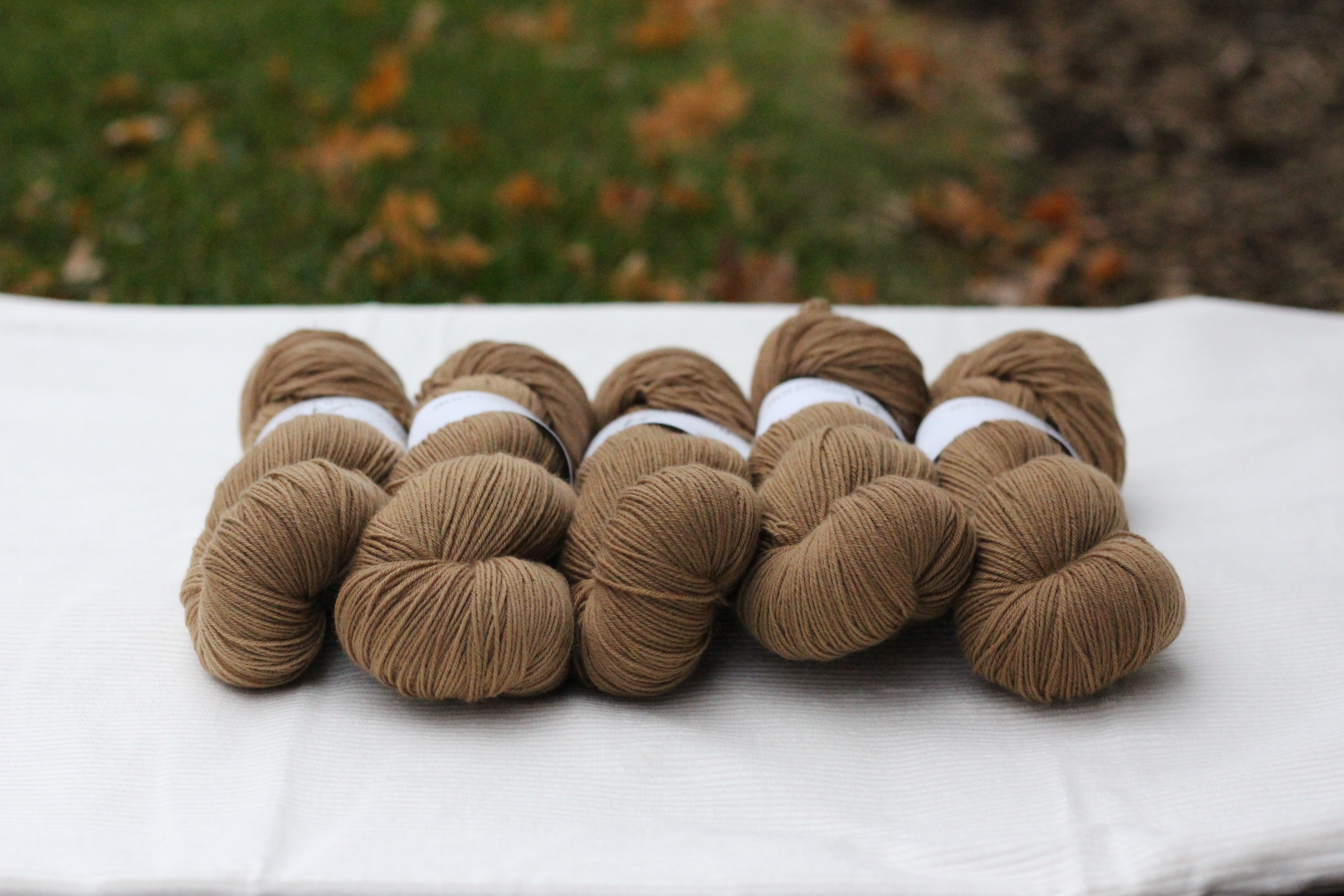
 Limited Edition Yarn - Foraged Black Walnut$34–$40In stock
 Poet Scarf / Silverlode Scarf Kit$65–$69In stock
 Natural Dye E-Book$8In stock
 DIY Yarn Natural Dyeing Kit$50–$55In stock
 Original Watercolor and Ink Artwork$45–$50In stock
 Art Prints and Hand Lettering Quotes$10–$15In stock
 Dwarrowdelf Cowl Knitting Pattern$3In stock
 Lorien Lace Yarn - Dyed to Order$34In stock
 Rivendell Worsted Yarn - Dyed to Order$34In stock
- Rivendell DK Yarn - Dyed to Order$34In stock
12 of 88 products, read 44 h ago
12 of 88 products, prices $3–$106, as published by the shop (read from the shop 44 h ago; the shop last changed its products 27 November 2026; last change seen here 44 h ago). Prices and stock change; the shop’s website has the current ones.
About
Your currently selected location is the United States and your order will be billed in USD. The delivery methods, conditions of sale and delivery points will be updated when you change the country. The Storyteller Cowl was my first pattern and is still one of my most popular. It is a great pattern for showcasing both solid and variegated yarns. Inspired by the Storyteller Hat by Lindsey Faciane of The Chesapeake Needle, it features a mock-honeycomb stitch and half twisted ribbing. Find two skeins of DK yarn and watch it fly off your needles. To get this pattern for free, use this link to subscribe to my newsletter. MeasurementsCircumference - 27in (67.5cm) Depth - 12.5in (31cm)
Prices
| Storyteller Cowl Knitting Pattern | $3 |
Prices as shown on the website when it was last read; the business may have changed them since.
Frequently asked questions
How long does it take to dye a batch of yarn?
Generally speaking, it takes about a week to go from undyed skein to finished skein, though it varies depending on the colorway. The process to dye yarn naturally has several more steps than the process to dye yarn with synthetic or acid dyes. These steps usually include scouring, mordanting, dyeing, and rinsing but can also include multiple dye baths or afterbaths.
Will it fade?
It depends. Part of the beauty of natural dyes is that they change and age over time, developing the patina that gives natural materials that lived-in feeling. Some colors fade, others shift, while still others deepen. Every natural dye behaves a little differently, and some have a greater tendency to fade than others. Most of my colorways are dyed on yarn that has been mordanted. There are many different ways to mordant fiber in preparation for dyeing, but to speak generally, mordanting is a process whereby the fiber is prepared for dyeing by being treated with something that will help the…
Are your colorways repeatable?
Yes and no. I do have a library of repeat colorways that I have developed. These colorways are as close to repeatable as I can get them, which is to say that there may be very subtle variations between batches, as is true of all hand-dyed yarn. When differences appear noticeable, I label dye lots accordingly. If you are concerned about color pooling, then I recommend alternating skeins in multi-skein projects. That said, experimentation and colorplay are two of the reasons I got into natural dyeing in the first place, so I will often offer colorways that are one-offs, accidents, or otherwise…
Will it bleed?
This is an area of ongoing improvement for me as a dyer, and I am constantly refining recipes and processes to eliminate as much bleeding as possible.It is rare for my yarns to bleed, and I have never heard of or experienced bleeding ruining a project, but I cannot guarantee that no bleeding will happen. When washing, factors such as the temperature and pH of the water, the type of soap or detergent used, and any chemicals that may be present in the water can all impact a yarn’s tendency to bleed. Given all these factors, even commercially-dyed yarns sometimes bleed. For this reason, I…
What is crocking?
Crocking is a process whereby small particles of pigment are transferred from the dyed fiber to other surfaces due to friction and sometimes heat. If you’ve ever had a pair of jeans that bled onto other clothing, then you’ve experienced crocking. Crocking is most common with indigo-dyed fabric, but it can happen with other dyes as well. I like to think of crocking as getting cozy with the natural dyes that give us color.In my experience, crocking is a normal, though not inevitable, aspect of working with naturally-dyed yarns. It can also very from person-to-person, as differences in skin pH…
Features
Read from refractedlightfiberarts.com. Last read 44 h ago. 8 of 11 key facts have a value; missing: location or service area, opening hours, booking, order, menu or pricing link. Where these facts come from