The Pharma Plug
Online shop · United Kingdom · thepharmaplug.co.uk
Unclaimed · Not verified by owner

Explore The Pharma Plug’s range of GLP-1 research peptides for laboratory and scientific research. This category brings together compounds associated with GLP-1 and related incretin receptor research, with clear product information and supporting batch documentation available where applicable. Our…
The facts
- Country
- United Kingdom
- Languages
- English
What they sell
Web shop on WooCommerce: 32 products, £24.99–£330
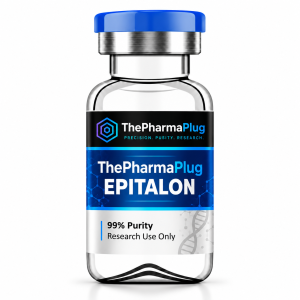 Epitalon 10/50mg x 10 Vials£29.99–£120.99In stock
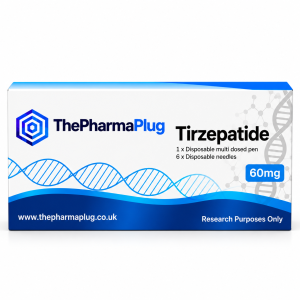 Tirzepatide 60mg Prefilled Pen Kit£160.99In stock
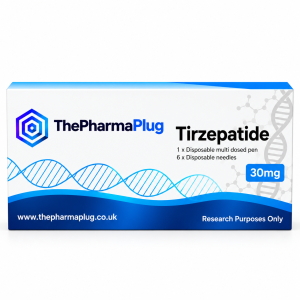 Tirzepatide 30mg Prefilled Pen Kit£130In stock
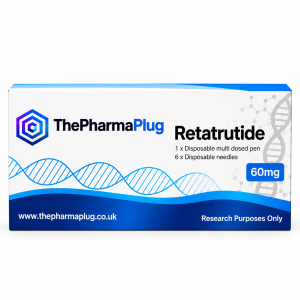 Retatrutide 60mg Prefilled Pen Kit£220In stock
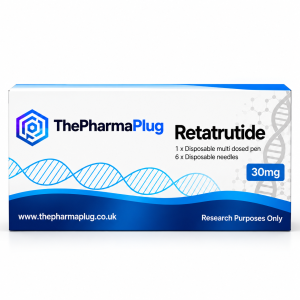 Retatrutide 30mg Prefilled Pen Kit£140In stock
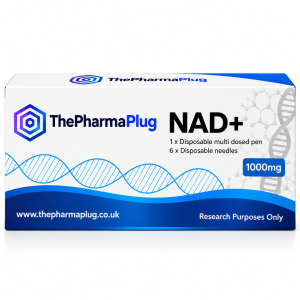 NAD+ 1000mg Prefilled Pen Kit£110In stock
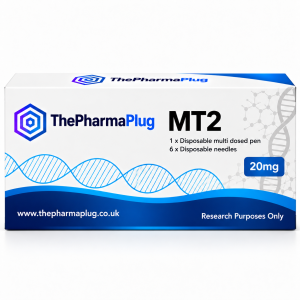 MT2 20mg Prefilled Pen Kit£34.99In stock
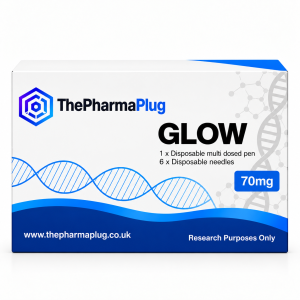 GLOW 70mg Prefilled Pen Kit£94.99In stock
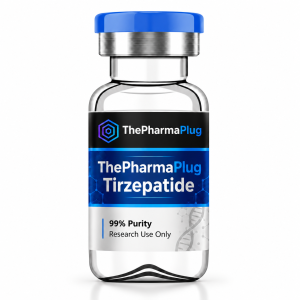 Tirzepatide x 10 Vials£109.99–£579.99In stock
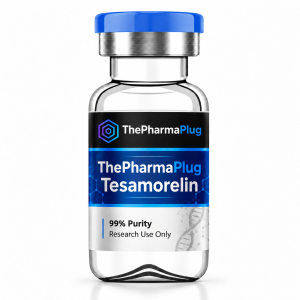 Tesamorelin x 10 vials£140–£395In stock
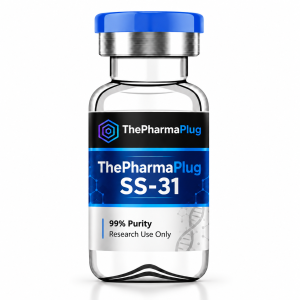 SS-31 10mg / 50mg × 10 Vials£145.99–£485.99In stock
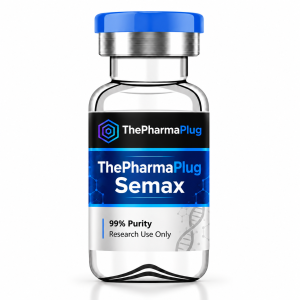 Semax x 10 Vials£110.99–£165.99In stock
12 of 32 products, read 3 h ago
12 of 32 products, prices £24.99–£330, as published by the shop (read from the shop 3 h ago; the shop last changed its products 27 November 2026; last change seen here 3 h ago). Prices and stock change; the shop’s website has the current ones.
About
The Pharma Plug is a UK peptide supplier focused on research-use products, clear documentation and batch traceability. We built our platform around a simple goal: to provide researchers with an organised, professional experience where product information and supporting records are straightforward to access. As a UK research peptide supplier, we focus on making research-product information easier to navigate and understand. That means organised product pages, clear batch references and a straightforward customer journey. From product presentation to UK-focused fulfilment, every step is built around one principle: make the experience clear, professional and consistent.
Frequently asked questions
What are research peptides?
Research peptides are short chains of amino acids produced for laboratory and scientific investigation. They are commonly used to study molecular interactions, receptor activity, cellular signalling and other biochemical processes in controlled research settings. Products designated for research use only are not medicines and are not intended for human or veterinary administration.
What does “Research Use Only” mean?
Research Use Only (RUO) means a material is supplied specifically for laboratory, analytical or experimental research. It is not supplied as a medicine, food supplement or consumer therapeutic product and should only be handled within an appropriate research setting.
Are research peptides the same as medicines?
No. A research material and an authorised medicinal product have different intended uses and regulatory frameworks. A compound being studied in scientific research should not be assumed to be equivalent to a licensed pharmaceutical product.
What is peptide purity and why does it matter?
Purity describes how much of an analysed sample corresponds to the target compound relative to detectable impurities under a specified analytical method. Purity data can help researchers assess whether a material is suitable for a particular laboratory workflow.
What is a Certificate of Analysis (COA)?
A Certificate of Analysis is a document containing analytical information associated with a material or batch. Depending on the testing performed, it may include the compound identity, batch or lot reference, reported purity, molecular mass and analytical methodology.
What is HPLC testing for research peptides?
High-performance liquid chromatography (HPLC) separates components within a sample and can be used to assess chromatographic purity. HPLC and identity testing answer different analytical questions, so researchers may consider more than one method when evaluating a material.
What is mass spectrometry testing for peptides?
Mass spectrometry measures molecular mass and can support verification of a compound’s molecular identity. In peptide research it is often considered alongside chromatographic data such as HPLC rather than as a substitute for it.
What are lyophilised peptides?
Lyophilised peptides have undergone freeze-drying to remove water and create a dry research material. Lyophilisation is widely used for laboratory materials because it can support stability when the product is stored and handled under the conditions specified for that compound.
How should research peptides be stored?
Storage requirements vary by compound and formulation. Researchers should follow the storage information provided for the specific material, including any requirements relating to temperature, light, moisture and repeated temperature changes. A single storage rule should not be assumed to apply to every research compound.
Why are peptides studied in scientific research?
Peptides participate in many biological processes, including molecular signalling and receptor interactions. Synthetic research peptides allow scientists to investigate selected pathways and molecular mechanisms in controlled experimental models.
What is the difference between a peptide and a protein?
Both peptides and proteins are made from amino acids linked by peptide bonds. Peptides are generally shorter amino-acid chains, while proteins are typically larger and can form more complex three-dimensional structures. Exact terminology can vary by scientific context.
How are synthetic research peptides made?
Synthetic peptides can be produced by controlled peptide-synthesis techniques that assemble amino acids in a specified sequence. The resulting material may then undergo purification and analytical characterisation to assess properties such as chromatographic purity and molecular identity.
How can researchers evaluate a UK research supplier?
Useful factors include transparent product information, clear research-use restrictions, batch traceability, appropriate analytical documentation, realistic claims, storage guidance and accessible supplier information. Researchers should evaluate the evidence supplied for the specific product and batch rather than relying on marketing language alone.
What should I look for on a research compound COA?
Check that the compound name, batch or lot reference, analytical method and reported results are clearly stated. Where relevant, supporting chromatographic or mass-spectrometry data can provide additional context. The documentation should correspond to the material or batch being evaluated.
What is Tirzepatide in a research context?
Tirzepatide is a peptide studied for activity involving GIP and GLP-1 receptor pathways and is also an active ingredient in authorised medicines. A material explicitly supplied for research use should be treated according to its stated research designation and should not be assumed to be equivalent to an authorised medicinal product.
What are GLP-1 research peptides?
GLP-1 research peptides are compounds studied in laboratory settings in relation to glucagon-like peptide-1 (GLP-1) and its receptor pathways. Research in this area can involve receptor activity, incretin signalling and other metabolic processes. Products in this category are supplied strictly for laboratory research.
What does GLP-1 stand for?
GLP-1 stands for glucagon-like peptide-1. It is a naturally occurring incretin hormone involved in several biological processes, which has made GLP-1 and related receptor pathways an important area of scientific research.
What is the difference between GLP-1 and GIP?
GLP-1 and GIP are different incretin hormones with their own receptors and biological signalling pathways. Some research compounds focus primarily on GLP-1 receptor activity, while others are investigated for activity involving multiple receptors, such as GLP-1 and GIP.
Are all GLP-1 research peptides the same?
No. Compounds associated with GLP-1 research can differ significantly in their structure, receptor activity and research characteristics. Some focus on a single receptor pathway, while others are studied in relation to two or more receptor pathways. Researchers should therefore review each compound individually.
What is the difference between semaglutide, tirzepatide and retatrutide?
These are distinct compounds with different receptor profiles. Semaglutide acts primarily at the GLP-1 receptor, while tirzepatide has activity involving GLP-1 and GIP receptors. Retatrutide is an investigational compound studied for activity involving GLP-1, GIP and glucagon receptors. It's worth being particularly precise here: licensed medicines and experimental research compounds shouldn't be presented as though they have the same regulatory status. UK government guidance identifies licensed semaglutide and tirzepatide medicines, while other compounds remain investigational.
Features
Read from thepharmaplug.co.uk. Last read 3 h ago. 8 of 11 key facts have a value; missing: location or service area, opening hours, booking, order, menu or pricing link. Where these facts come from