UK KENNELS
Online shop · Winchelsea Beach, United Kingdom · ukkennels.co.uk
Unclaimed · Not verified by owner
UK Kennels. Leading manufacturer of quality handmade dog kennels, cat runs and rabbit hutches. Free UK Delivery.
The facts
- Country
- United Kingdom
- Opening hours
- OFFICE CLOSED FRIDAY 27THDetails
- Phone
- 01797 229444
- Founded
- 2004
- Payment
- iDEAL, PayPal
- Languages
- English
- Registration
- Company no. 05837027 · VAT 869309285
- Ships to
- Worldwide
- Shipping information
- Shipping page
What they sell
Web shop on Shopify: 48 products, £15–£1,199
Show 4 more categories
 Tuna & Broccoli£55.99–£75.99In stock
 Kitten Turkey & Chicken£56.99In stock
 White FIsh & Nordic Herring Caviar£58.99In stock
 Rabbit & Blackberry£56.99–£76.99In stock
 Lamb & Mint£56.99–£76.99In stock
 Salmon & White FIsh£56.99In stock
 Dental Care£89.99In stock
 Angus Beef£57.99–£78.99In stock
 Country English Duck£57.99–£78.99In stock
 Turkey & Chicken£56.99In stock
 Urinary Care£66.99In stock
 Skin, Coat & Hairball Care£67.99In stock
12 of 48 products, read 2 days ago
12 of 48 products, prices £15–£1,199, as published by the shop (read from the shop 2 days ago; the shop last changed its products 27 November 2026; last change seen here 2 days ago). Prices and stock change; the shop’s website has the current ones.
Opening hours
| OFFICE CLOSED FRIDAY 27TH |
Times in the business’s local time (Europe/London). Hours as written on the website.
About
We are a family run business based in Sussex and have been a manufacturer of dog kennels and runs, cat runs, cat enclosures and rabbit hutches since 2004. Our dog kennels and runs, catteries, rabbit hutches and kennel blocks have been designed by us at UK Kennels. If you are looking for an outdoor dog kennel and run, cat run or rabbit hutch that’s affordable and well made, then look no further. Our wooden dog kennels are handmade from quality Tanalised timber and also dip treated.
Frequently asked questions
1. What is pet socialisation?
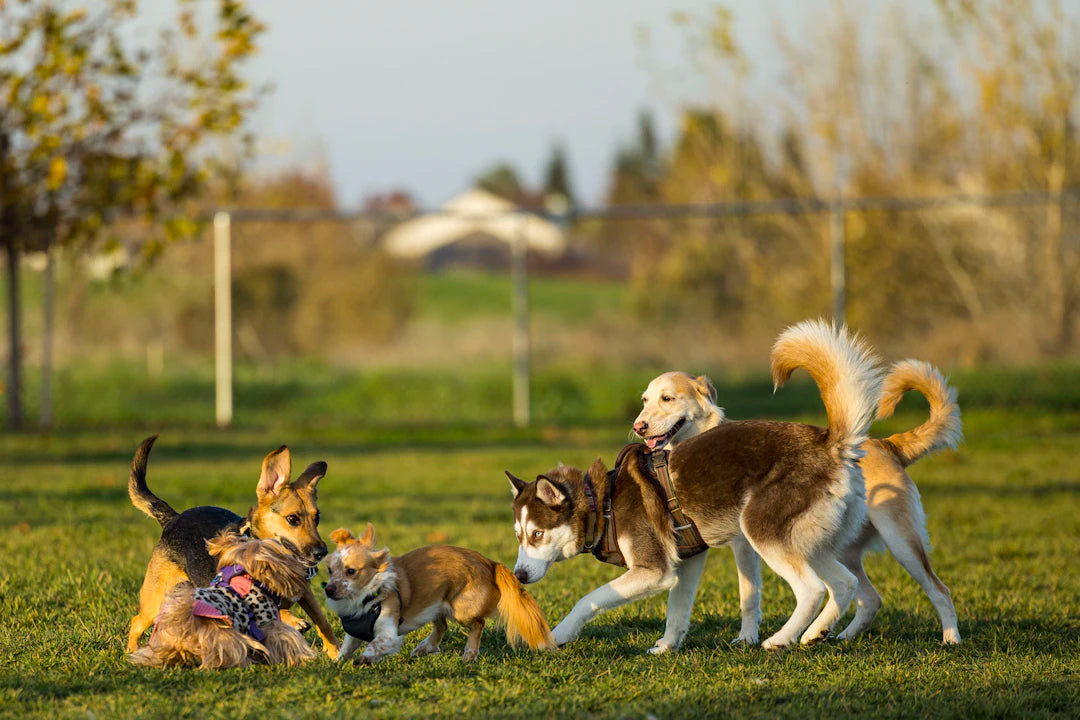
Pet socialisation is the process of exposing your pet to different environments, people, and other animals in a positive and controlled manner to help them become well-adjusted and happy.
2. Why is socialisation important for pets?
Socialisation is crucial for pets as it encourages good behaviour, promotes confidence, reduces fear, and enhances their physical and mental health.
3. When should I start socialising my pet?
The best time to start socialising your pet is during their early developmental stages: for puppies, between 3 and 14 weeks old, and for kittens, between 2 and 9 weeks.
4. How can I effectively socialise my pet?
You can effectively socialise your pet by exposing them to different environments, arranging playdates, introducing new people and animals gradually, and using positive reinforcement techniques.
5. What are the long-term benefits of having a well-socialised pet?
The long-term benefits of having a well-socialised pet include a strengthened bond with owners, better adaptation to life changes, and enhanced quality of life.
1. What are common symptoms of pet allergies?
Common symptoms of pet allergies include itchy or watery eyes, sneezing and nasal congestion, skin rashes or irritation, and breathing difficulties such as asthma attacks.
2. How can I create an allergy-friendly home environment?
To create an allergy-friendly home environment, maintain regular cleaning routines, designate pet-free zones, and consider hard flooring options instead of carpets.
3. What grooming tips can help reduce pet allergens?
To reduce pet allergens, consider professional grooming, brush your pet outdoors to prevent allergens from settling indoors, and use grooming tools designed to remove loose hair and dander.
4. How can I improve air quality in my home to manage pet allergies?
You can improve air quality by investing in HEPA air purifiers, regularly changing HVAC filters, and ensuring that the air filters are designed to trap pet dander and other allergens.
5. What should I consider when adopting a pet if I have allergies?
When adopting a pet with allergies in mind, consider choosing hypoallergenic breeds known to produce fewer allergens, and spend time with the breed before making a commitment to ensure compatibility.
1. How can I ensure my pet stays hydrated during the summer months?
Always provide your pet with plenty of fresh water and consider incorporating wet food into their diet to help with hydration.
2. What should I watch for during autumn walks with my pet?
Be cautious of wildlife and mushrooms, as these can be harmful to curious pets.
3. What are some tips for keeping my pet warm in winter?
Provide warm, insulated shelters if your pet is outdoors, limit their time outside, and dry their paws after walks on snow or ice.
4. How can I adjust my pet's diet for the spring season?
Monitor your pet's weight after winter and consider introducing fresh fruits and vegetables to encourage hydration and variety in their diet.
5. Why is it important to consult a veterinarian about seasonal changes?
Regular check-ups help ensure any seasonal-related illnesses are caught early, and it's important to discuss diet adjustments, vaccinations, and parasite prevention.
Features
Read from ukkennels.co.uk. Last read 2 days ago. 10 of 11 key facts have a value; missing: location or service area. Where these facts come from