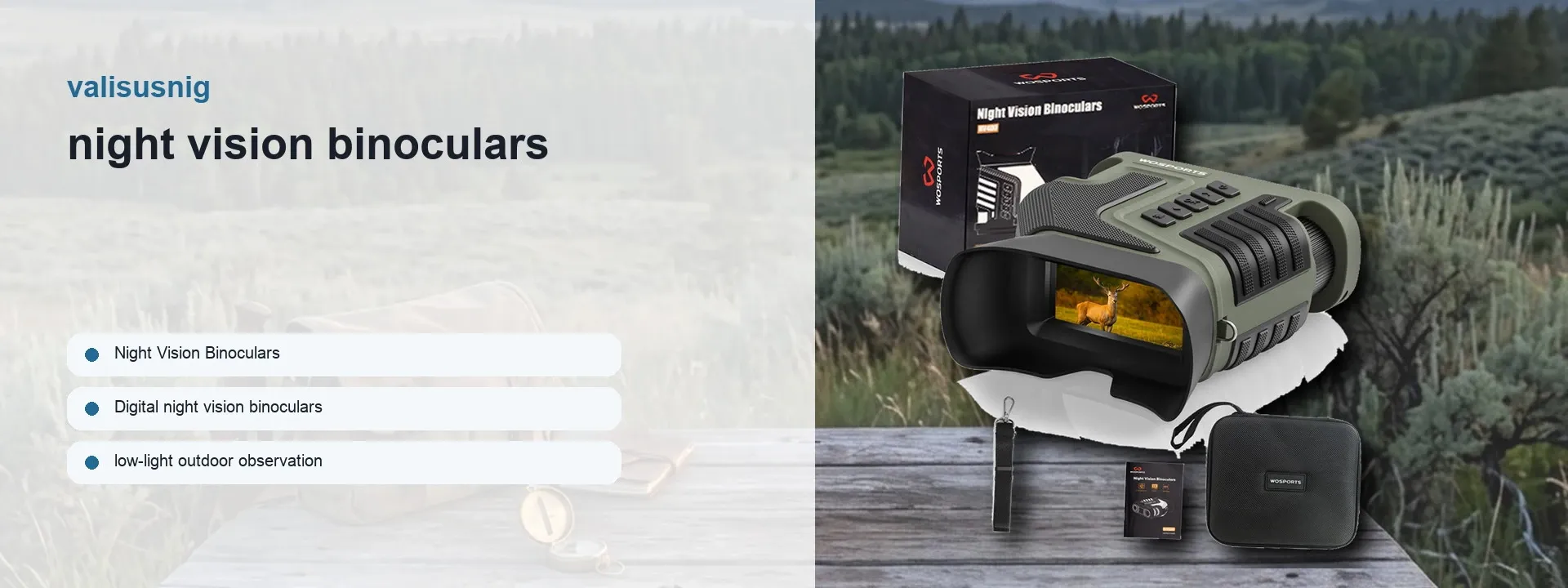
Shop Valisus night vision binoculars, night vision goggles, infrared binoculars and binoculars with night vision for UK wildlife and camping. Order now.
The facts
- Country
- United Kingdom
- Opening hours
- Monday to Friday, 9am-5pmAll 2 lines
- Payment
- iDEAL
- Languages
- English
- Registration
- Company no. 15166864 · VAT GB493707067
- Delivery
- Delivery Time: 2-4 business days
- Shipping information
- Shipping page
- Returns
- within 30 days Returns page
What they sell
Web shop
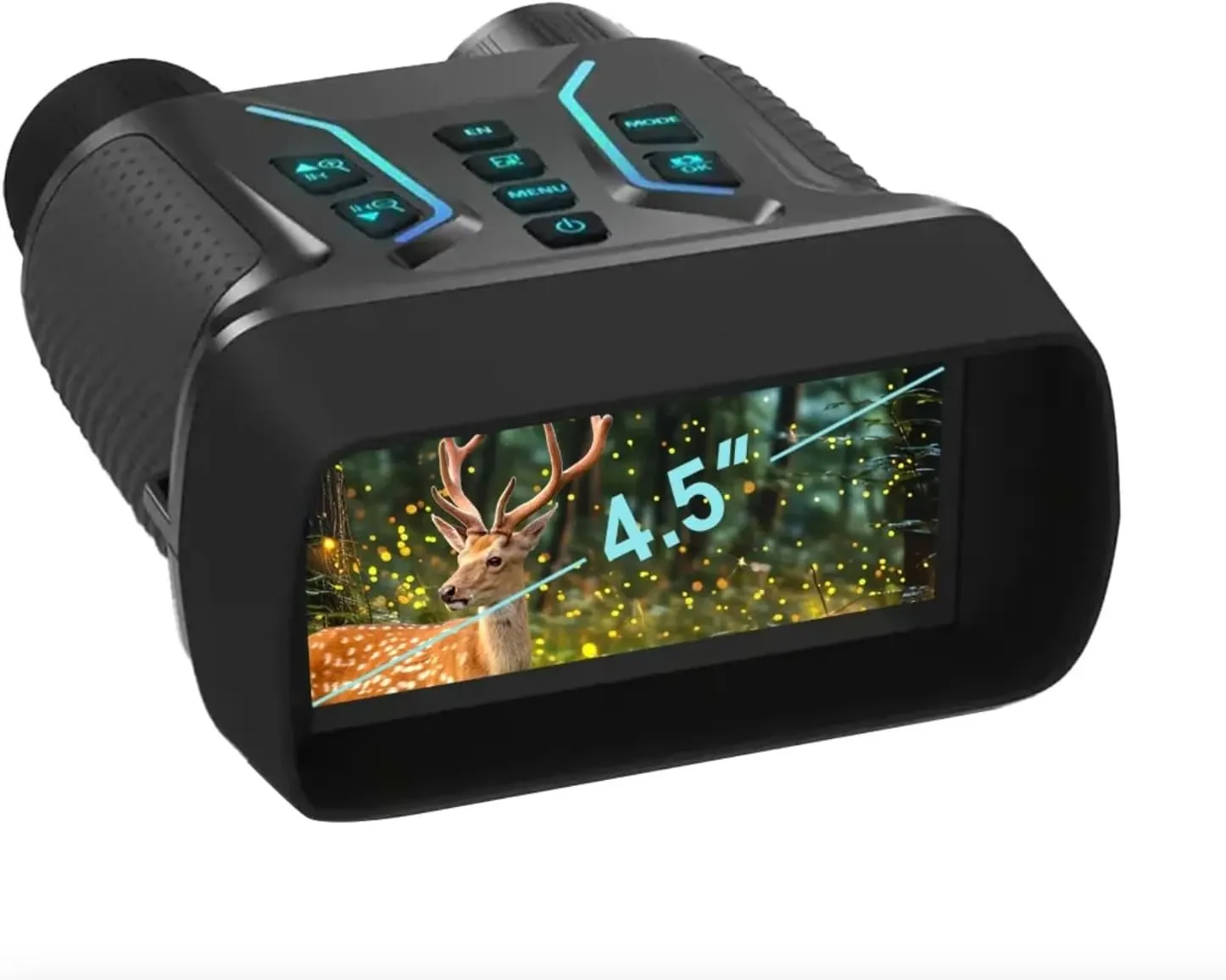 Valisus Digital Night Vision Binoculars£111.39In stock
- Valisus Night Vision Binoculars£111.39In stock
2 products, read 2 h ago
2 products, as published by the shop (read from the shop 2 h ago; last change seen here 2 h ago). Prices and stock change; the shop’s website has the current ones.
Opening hours
| Monday to Friday, 9am-5pm | |
| Closed on weekends and UK bank holidays. |
Times in the business’s local time (Europe/London). Hours as written on the website.
About
Practical digital infrared viewing for UK wildlife watching, camping and after-dark observation. A practical digital night vision binocular for UK wildlife watching, camping and low-light observation, with infrared viewing, daytime colour use and rechargeable convenience. Use in full colour by day and infrared mode after dark for flexible outdoor observation
Prices
| Valisus Digital Night Vision Binoculars | £111.39 |
| Valisus Night Vision Binoculars | £111.39 |
Prices as shown on the website when it was last read; the business may have changed them since.
Frequently asked questions
What are these digital night vision binoculars best used for in the UK?
They are ideal for wildlife watching, camping, garden observation and rural property checks after dusk. In the UK, many customers use them to spot foxes, badgers, hedgehogs and owls in low light or complete darkness with the infrared function switched on.
Are these night vision binoculars suitable for wildlife watching and camping?
Yes. They are specifically well suited to wildlife night vision and camping night vision binoculars use because they combine straightforward controls, rechargeable power and infrared viewing in one portable unit. They are especially handy on campsites, caravan breaks and countryside stays.
Do infrared binoculars work in complete darkness?
Yes, these infrared night binoculars can work in complete darkness by using the built-in 850 nm infrared illuminator. In very dark conditions you will see a black-and-white image rather than colour, which is normal for digital infrared binoculars.
What is the difference between night vision binoculars and night vision goggles?
Night vision binoculars are handheld and designed for observation, making them better for wildlife watching and general viewing. Night vision goggles are typically head-mounted and more specialised. For most UK shoppers wanting practical evening observation, binoculars with night vision are the easier and more versatile choice.
Are rechargeable night vision binoculars better than battery-powered models?
For many users, yes. Rechargeable night vision binoculars are more convenient, reduce ongoing battery costs and are better suited to regular outdoor use. This model gives you the ease of USB-C charging, which is particularly useful for travel, camping and keeping the device topped up at home.
Can I use these for daytime viewing as well as low light?
Absolutely. These hd night vision binoculars provide full-colour viewing in daylight and low-light conditions, then switch to infrared-assisted night mode after dark. That makes them a practical all-in-one option rather than a single-purpose gadget.
How do these compare with a night vision scope or thermal device?
These are designed for handheld observation, not as a night vision scope, scope night vision add on or night vision for scopes. Compared with thermal products, digital infrared binoculars are usually more affordable and better suited to casual wildlife observation, camping and garden use, though thermal can detect heat at greater cost.
Read from valisusnig.co.uk. Last read 2 h ago. 9 of 11 key facts have a value; missing: location or service area, social profiles. Where these facts come from