
Aqua-Nook
Shops & Retail in Edwardsville · Web shop on Shopify · aqua-nook.com
Live coral, phytoplankton, berghia, and other saltwater aquarium items for your reef tank.
- Country
- United States
- Read on: /meta.jsonshop platform data
- Payment
- Gift card
- Read on: /products/aqua-nook-gift-cardpage text
- Languages
- English
- Read on: home pagepage metadata
- Ships to
- United States
- Read on: /meta.jsonshop platform data
What they sell
Web shop on Shopify: 3 products, $10–$40
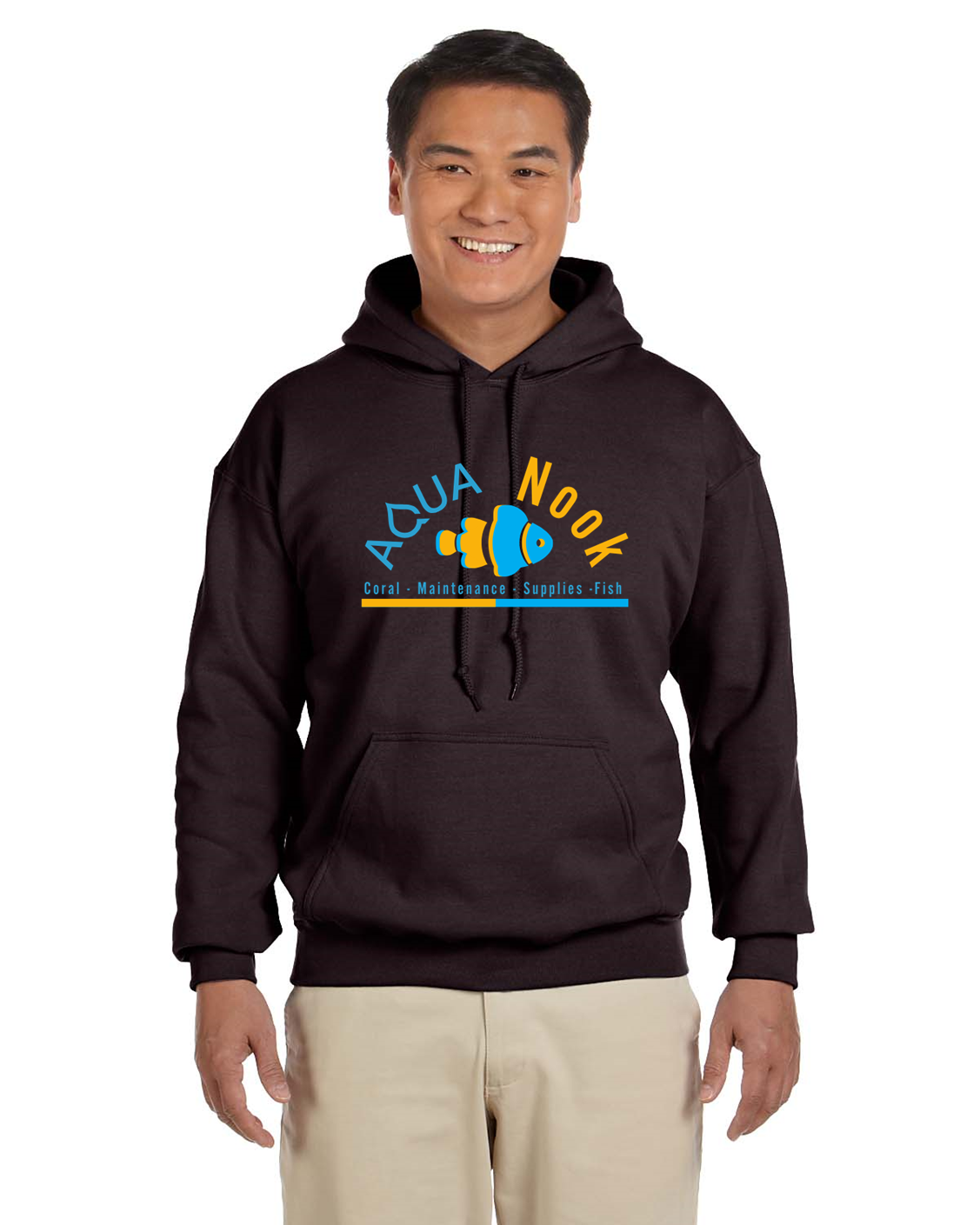
 Aqua Nook Logo Hoodie - Pre Order -IN STORE PICK UP ONLY$40In stock
 Aqua Nook Logo T-Shirt Pre Order - IN STORE PICK UP ONLY$25In stock
 Aqua Nook Gift Card$10–$100In stock
3 products, prices $10–$40, as published by the shop (read from the shop 22 h ago; the shop last changed its products 26 November 2026; last change seen here 5 days ago). Prices and stock change; the shop’s website has the current ones.
About
This is a fishless cycling process. Do not add fish, shrimp, snails, or other animals while dosing ammonia. Place the aquarium on a level, sturdy stand designed tosupport its filled weight. Keep it away from direct sunlight and heating orcooling vents. Add aquarium-safe gravel, sand, or aqua-soil, along withrocks, driftwood, and decorations. Follow the substrate manufacturer’spreparation instructions; some substrates should be rinsed, while others shouldnot.
Prices
| Aqua Nook Gift Card | $10 |
Prices as shown on the website when it was last read; the business may have changed them since.
Frequently asked questions
What is "Cycling" a fish tank?
What is a fish tank cycle? The bacterial cycle of a fish tank—known as the nitrogen cycle—is the natural process where beneficial bacteria convert toxicfish waste into safe compounds.
Why should I cycle my fish tank before adding fish and invertebrates?
Why is waiting to add fish and invertebrates to a cycledfish tank important?Fish and invertebrates continuously produce waste (via gills, urine, and feces) that breaks down into ammonia. In abrand-new tank, ammonia rapidly accumulates to toxic levels, causing severe gill damage, suffocation, and death.Introducing livestock too early forces them to live through ammonia chemical burns and severe physiological stress. This stress can also lead to death or shorten the lifespan of your animals. What is happening after and tank is successfully cycled:Beneficial bacteria convert toxic ammonia into le
What is happening once my tank is cycled?
What Happens in a Cycled Tank?Beneficial bacteria help process waste and keep the water safer for your fish:Step 1: Ammonia becomes nitrite.Fish waste, uneaten food, and decaying plants produce ammonia. Bacteria convert ammonia into nitrite. Both are toxic to fish.Step 2: Nitrite becomes nitrate.Bacteria convert nitrite into nitrate, which is much less toxic. Nitrate still needs to be managed through regular water changes. Live plants can also help by absorbing it as they grow.Ammonia → Nitrite → NitrateIn a properly cycled tank, ammonia and nitrite should remain at 0 ppm. Regular testing help
Why do I still have to do water changes after my tank is cycled?
Why Does a Cycled Tank Still Need Water Changes?Cycling helps your tank process waste chemicals, but it does not remove everything that builds up in the water.Regular partial water changes help:Lower nitrate: Beneficial bacteria turn ammonia and nitrite into nitrate, which can become harmful as it accumulates.Dilute dissolved waste: Other waste products can build up even when the water looks clear. Siphoning the gravel is a good strategy to remove detritus buildup.Maintain water balance: Properly prepared replacement water helps replenish minerals and buffering capacity used over time.
Why is waiting to add fish and invertebrates to a cycledfish tank important?
Fish and invertebrates continuously produce waste (via gills, urine, and feces) that breaks down into ammonia. In abrand-new tank, ammonia rapidly accumulates to toxic levels, causing severe gill damage, suffocation, and death.
What Happens in a Cycled Tank?
Beneficial bacteria help process waste and keep the water safer for your fish:
Why Does a Cycled Tank Still Need Water Changes?
Cycling helps your tank process waste chemicals, but it does not remove everything that builds up in the water.
Features
9 of 11 key fields on this card have a value. Missing: Opening hours, Booking, order, menu or pricing link.
- Name
- Summary
- About text
- Contact
- Address or area
- Opening hours (missing)
- Services, prices
- FAQs
- Features
- Social profiles
- Booking, order, menu (missing)