
Cut Classics
Shops & Retail in Monmouth · Web shop on Shopify · cut-classics.com
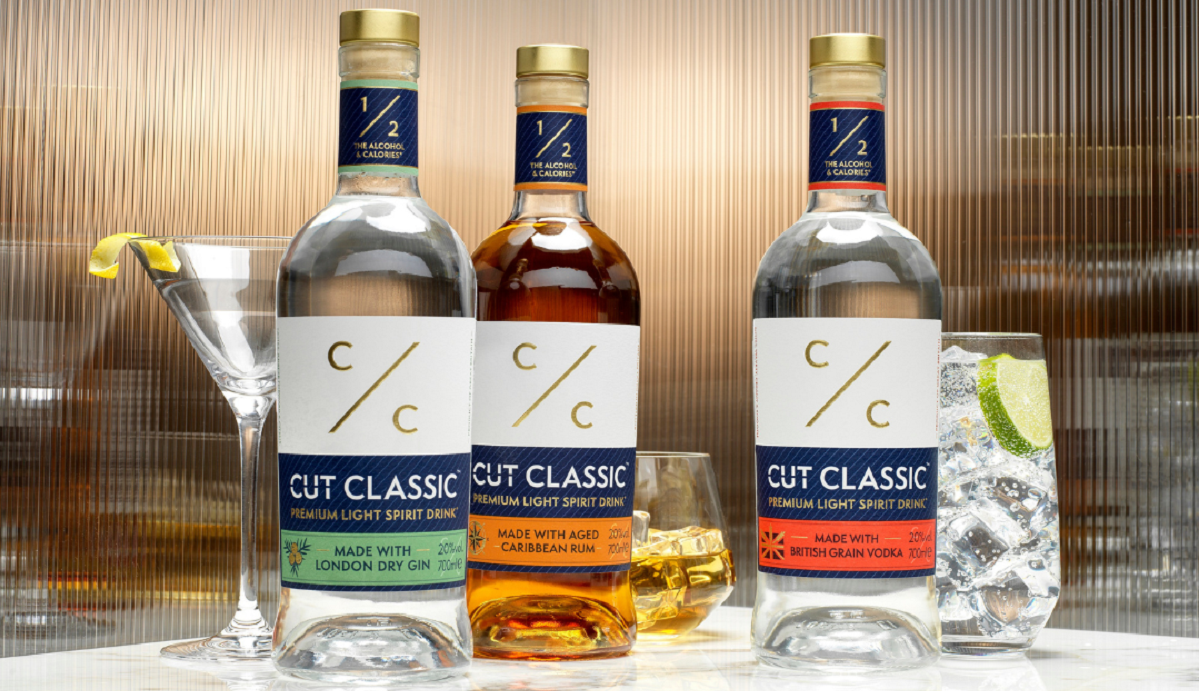
Cut Classics are award-winning mid-strength spirits at 20% ABV with 28 calories per 25ml serve. Enjoy the taste of premium gin, rum and vodka with half the alcohol and calories of traditional 40% spirits. Perfect for those looking to moderate their intake and drink more mindfully. Free Shipping on T
- Country
- United Kingdom
- Payment
- PayPal
- Languages
- English
- Registration
- VAT GB354885360
- Ships to
- United Kingdom
- Shipping information
- Shipping page
What they sell
Web shop on Shopify: 13 products, £19.99–£141.99
 Cut Classic - London Dry Duo£38.99In stock
 Cut Classic - Caribbean Rum Duo£38.99In stock
 CC Caribbean Rum - Case of Six£99.99In stock
 CC London Dry - Case of Six£99.99In stock
 20% ABV Spirit made with London Dry Gin£19.99In stock
 Cut Classic - The Rum Trio£54.99In stock
 Cut Classic 20% ABV London Dry Trio£54.99In stock
 20% ABV Spirit made with Fine Caribbean Rum£19.99In stock
 The Classic Trio - 3 Mid-Strength Spirits£72.99Out of stock
 Cut Classic - 'Light' Vodka Duo£48.99Out of stock
 CC 'Light' British Vodka - Case of Six£141.99Out of stock
 Cut Classic - Trio of Vodka£71.99Out of stock
12 of 13 products, prices £19.99–£141.99, as published by the shop (read from the shop 2 h ago; the shop last changed its products 24 November 2026; last change seen here 2 h ago). Prices and stock change; the shop’s website has the current ones.
About
The idea for Cut Classics was developed by wife and husband team, Atlanta & Anthony O'Connor, during lockdown in 2020. The enforced break from normal life gave us a chance to do something that we'd often talked about, but never done - to launch a business together, in an area that we were passionate about and in which we could be pioneers. Here's some key facts about the drinks (scroll down further for full nutritional disclosures): ✔ Mid-Strength Spirits: 20% ABV, so half the alcohol of a full strength gin, vodka or rum.
Frequently asked questions
RECIPES, NEWS & VIEWS
MODERATION ENLIGHTENMENT LIGHT COCKTAILS NEWS
COMPANY COMPANY
About Shop Stockists
INFORMATION INFORMATION
Recipes, News & Views Press & Awards Contact
POLICIES POLICIES
Cookie Policy Privacy Policy Shipping Policy Terms of Service Returns Policy
How can I cut down on drinking without giving up alcohol completely?
Most people who successfully reduce their drinking use a combination of small changes rather than one big rule. The common techniques are: alternating each alcoholic drink with water or a soft drink (often called zebra striping); setting fixed drink-free days each week; pouring smaller measures; tracking units rather than drinks; deciding your limit before you start rather than during; and switching some drinks to lower-strength alternatives such as light spirits, lower-ABV beers or spritzes. The UK Chief Medical Officers advise no more than 14 units a week, spread over three or more days.
What is mindful drinking?
Mindful drinking means paying deliberate attention to what, when and why you drink, rather than drinking on autopilot. In practice it involves noticing the cues that prompt a drink, choosing consciously whether to have one, and paying attention to the drink itself — how it tastes, how much you have had, how you feel. It is not abstinence and it is not a programme. Most people who describe themselves as mindful drinkers still drink; they simply drink less, and more intentionally.
What does "coasting" mean in the context of drinking?
Coasting describes staying at a comfortable, sustained level of mild alcohol effect across an evening rather than drinking to keep climbing. The idea is to reach a level you are happy with, then hold it — by slowing your pace, alternating with soft drinks, or switching to lower-strength options — rather than continuing at the same rate. It is a moderation technique, not a brand term, and it sits alongside zebra striping and drink-free days as one of the more practical ways people manage social drinking.
What are the alternatives to going alcohol-free?
Alcohol-free is one option among several. The middle ground includes lower-ABV versions of drinks you already enjoy: mid-strength or "light" spirits at around 20% ABV rather than 40%, lower-alcohol beers at 2–3% rather than 5%, wine spritzers, and long drinks built with a smaller alcohol base. There is also simple reduction — same drinks, fewer of them, or smaller measures. Which works depends on why you are cutting down. People who miss the taste of a drink often find lower-strength versions easier to sustain than no-alcohol substitutes.
How many units of alcohol are in a Cut Classic?
A 25ml serve of Cut Classics contains 0.5 units of alcohol, because the spirits are 20% ABV. The same 25ml measure of a standard 40% ABV gin, vodka or rum contains 1 unit. A 70cl bottle contains 14 units, against 28 in a full-strength equivalent. The UK Chief Medical Officers’ guideline is no more than 14 units a week for both men and women, spread across three or more days with several drink-free days.
Will I still get a hangover from lower alcohol spirits?
Less alcohol generally means a milder hangover, but lower-strength spirits are still alcoholic and drinking enough of anything alcoholic will produce a hangover. A 20% ABV spirit contains half the alcohol of a 40% one measure for measure, so drinking the same number of serves means consuming half the alcohol. Drinking twice as many serves means consuming the same. The reduction comes from the strength, not from anything that neutralises alcohol’s effects.
Does lower alcohol mean I can drive?
No. Drink-driving limits apply to the alcohol in your bloodstream, not the strength of what you drank. The legal limit is 80mg of alcohol per 100ml of blood in England, Wales and Northern Ireland, and 50mg in Scotland. Lower-strength drinks put alcohol into your system more slowly for the same volume, but they still put it there. If you are driving, do not drink — that advice does not change with ABV.
Is Dry January better than drinking less all year?
They do different things. A month off gives a clear reset, often improves sleep and energy, and can break a habit loop — but around a third of people who complete it return to previous levels within a few months. Sustained moderation is less dramatic and harder to point at, but the reduction compounds across the year. Neither is objectively better. Some people use Dry January as a starting point and then carry a lower baseline forward, which combines the two.
Do I need to stop drinking to lose weight?
No, but alcohol makes it harder. Alcohol contains roughly 7 calories per gram — closer to fat than to sugar — and those calories carry no nutritional value. It can also loosen restraint around food. Most people reducing their intake for weight reasons find that cutting back rather than cutting out is more sustainable, and that the biggest gains come from reducing frequency and from choosing drinks with a lower calorie load. Anyone with a specific health goal should take advice from a doctor or dietitian.